- Masonry Materials
- Curtain Walls & Accessories
- Earthwork Products
- Fireproofing Materials
- Heat Insulation Materials
- Plastic Building Materials
- Building Boards
- Soundproofing Materials
- Timber
- Waterproofing Materials
- Balustrades & Handrails
- Bathroom & Kitchen
- Flooring & Accessories
- Tiles & Accessories
- Door, Window & Accessories
- Fireplaces & Stoves
- Floor Heating Systems & Parts
- Stairs & Stair Parts
- Ceilings
- Elevators & Escalators
- Stone
- Countertops, Vanity Tops & Table Tops
- Mosaics
- Metal Building Materials
- Multifunctional Materials
- Ladders & Scaffoldings
- Mouldings
- Corner Guards
- Decorative Films
- Formwork
- Building & Industrial Glass
- Other Construction & Real Estate
- Wallpapers/Wall panels
- HVAC System & Parts
- Outdoor Facilities
- Prefabricated Buildings
- Festive & Party Supplies
- Bathroom Products
- Household Sundries
- Rain Gear
- Garden Supplies
- Household Cleaning Tools & Accessories
- Lighters & Smoking Accessories
- Home Storage & Organization
- Household Scales
- Smart Home Improvement
- Home Textiles
- Kitchenware
- Drinkware & Accessories
- Dinnerware, Coffee & Wine
- Home Decor
- Golf
- Fitness & Body Building
- Amusement Park Facilities
- Billiards, Board Game,Coin Operated Games
- Musical Instruments
- Outdoor Affordable Luxury Sports
- Camping & Hiking
- Fishing
- Sports Safety&Rehabilitation
- Ball Sports Equipments
- Water Sports
- Winter Sports
- Luxury Travel Equipments
- Sports Shoes, Bags & Accessories
- Cycling
- Other Sports & Entertainment Products
- Artificial Grass&Sports Flooring&Sports Court Equipment
- Scooters
- Food Ingredients
- Honey & Honey Products
- Snacks
- Nuts & Kernels
- Seafood
- Plant & Animal Oil
- Beverages
- Fruit & Vegetable Products
- Frog & Escargot
- Bean Products
- Egg Products
- Dairy Products
- Seasonings & Condiments
- Canned Food
- Instant Food
- Baked Goods
- Other Food & Beverage
- Meat & Poultry
- Confectionery
- Grain Products
- Feminie Care
- Hair Care & Styling
- Body Care
- Hands & Feet Care
- Hygiene Products
- Men's Grooming
- Laundry Cleaning Supplies
- Travel Size & Gift Sets
- Room Deodorizers
- Other Personal Care Products
- Pest Control Products
- Special Household Cleaning
- Floor Cleaning
- Kitchen & Bathroom Cleaning
- Oral Care
- Bath Supplies
- Yellow Pages
- Correction Supplies
- Office Binding Supplies
- Office Cutting Supplies
- Board Erasers
- Office Adhesives & Tapes
- Education Supplies
- Pencil Cases & Bags
- Notebooks & Writing Pads
- File Folder Accessories
- Calendars
- Writing Accessories
- Commercial Office Supplies
- Pencil Sharpeners
- Pens
- Letter Pad/Paper
- Paper Envelopes
- Desk Organizers
- Pencils
- Markers & Highlighters
- Filing Products
- Art Supplies
- Easels
- Badge Holder & Accessories
- Office Paper
- Printer Supplies
- Book Covers
- Other Office & School Supplies
- Stationery Set
- Boards
- Clipboards
- Stamps
- Drafting Supplies
- Stencils
- Electronic Dictionary
- Books
- Map
- Magazines
- Calculators
- Baby & Toddler Toys
- Educational Toys
- Classic Toys
- Dress Up & Pretend Play
- Toy Vehicle
- Stuffed Animals & Plush Toys
- Outdoor Toys & Structures
- Balloons & Accessories
- Baby Food
- Children's Clothing
- Baby Supplies & Products
- Maternity Clothes
- Kids Shoes
- Baby Care
- Novelty & Gag Toys
- Dolls & Accessories
- Puzzle & Games
- Blocks & Model Building Toys
- Toddler Clothing
- Baby Clothing
- Kids' Luggage & Bags
- Arts, Crafts & DIY Toys
- Action & Toy Figures
- Baby Appliances
- Hobbies & Models
- Remote Control Toys
- Promotional Toys
- Pregnancy & Maternity
- Hygiene Products
- Kid's Textile&Bedding
- Novelty & Special Use
- Toy Weapons
- Baby Gifts
- Baby Storage & Organization
- Auto Drive Systems
- ATV/UTV Parts & Accessories
- Marine Parts & Accessories
- Other Auto Parts
- Trailer Parts & Accessories
- Auto Transmission Systems
- Train Parts & Accessories
- Universal Parts
- Railway Parts & Accessories
- Auto Brake Systems
- Aviation Parts & Accessories
- Truck Parts & Accessories
- Auto Suspension Systems
- Auto Lighting Systems
- New Energy Vehicle Parts & Accessories
- Auto Steering Systems
- Wheels, Tires & Accessories
- Bus Parts & Accessories
- Auto Performance Parts
- Cooling System
- Go-Kart & Kart Racer Parts & Accessories
- Air Conditioning Systems
- Heavy Duty Vehicle Parts & Accessories
- Auto Electrical Systems
- Auto Body Systems
- Auto Engine Systems
- Container Parts & Accessories
- Motorcycle Parts & Accessories
- Refrigeration & Heat Exchange Equipment
- Machine Tool Equipment
- Food & Beverage Machinery
- Agricultural Machinery & Equipment
- Apparel & Textile Machinery
- Chemical Machinery
- Packaging Machines
- Paper Production Machinery
- Plastic & Rubber Processing Machinery
- Industrial Robots
- Electronic Products Machinery
- Metal & Metallurgy Machinery
- Woodworking Machinery
- Home Product Manufacturing Machinery
- Machinery Accessories
- Environmental Machinery
- Machinery Service
- Electrical Equipment Manufacturing Machinery
- Industrial Compressors & Parts
- Tobacco & Cigarette Machinery
- Production Line
- Used Industrial Machinery
- Electronics Production Machinery
- Other Machinery & Industrial Equipment
- Camera, Photo & Accessories
- Portable Audio, Video & Accessories
- Television, Home Audio, Video & Accessories
- Video Games & Accessories
- Mobile Phone & Accessories
- Electronic Publications
- Earphone & Headphone & Accessories
- Speakers & Accessories
- Smart Electronics
- TV Receivers & Accessories
- Mobile Phone & Computer Repair Parts
- Chargers, Batteries & Power Supplies
- Used Electronics
- VR, AR, MR Hardware & Software
- Projectors & Presentation Equipments
- Other Consumer Electronics
- Cables & Commonly Used Accessories
- Computer Hardware & Software
- Displays, Signage and Optoelectronics
- Discrete Semiconductors
- Wireless & IoT Module and Products
- Telecommunications
- Connectors, Terminals & Accessories
- Development Boards, Electronic Modules and Kits
- Circuit Protection
- Sensors
- Isolators
- Audio Components and Products
- Integrated Circuits
- Power Supplies
- Relays
- RF, Microwave and RFID
- Electronic Accessories & Supplies
- Passive Components
- PCB & PCBA
- Air Quality Appliances
- Home Appliance Parts
- Heating & Cooling Appliances
- Small Kitchen Appliances
- Laundry Appliances
- Water Heaters
- Water Treatment Appliances
- Refrigerators & Freezers
- Personal Care & Beauty Appliances
- Major Kitchen Appliances
- Cleaning Appliances
- Second-hand Appliances
- Smart Home Appliances
- Other Home Appliances
- Energy Chemicals
- Inorganic Chemicals
- Basic Organic Chemicals
- Agrochemicals
- Admixture & Additives
- Catalysts & Chemical Auxiliary Agents
- Pigments & Dyestuff
- Coating & Paint
- Daily Chemicals
- Polymer
- Organic Intermediate
- Adhesives & Sealants
- Chemical Waste
- Biological Chemical Products
- Surface Treatment Chemicals
- Painting & Coating
- Chemical Reagents
- Flavor & Fragrance
- Non-Explosive Demolition Agents
- Other Chemicals
- Custom Chemical Services
How can I program a laser light show using standard ILDA software?
- VIP-User
- 2026-07-20
- 1
Programming a laser light show using standard ILDA (International Laser Display Association) software involves connecting a computer running ILDA-compatible software to an ILDA controller (DAC), which translates digital signals into analog control voltages for the laser projector's scanners and RGB modules, enabling custom animations and beam effects.
Core Solutions & Key Takeaways
- Software Selection: Use professional ILDA-compliant software to design vector paths, program timelines, and coordinate color changes.
- Hardware Interface: Connect the computer to an external digital-to-analog converter (DAC) via USB or Ethernet, then route the DB25 ILDA cable to the laser projector.
- Rigid Scanning Limits: Set appropriate scan speeds (measured in PPS, or points per second) within the software to match the physical galvo scanner capabilities of your hardware and avoid equipment damage.
- Application Versatility: These programmed shows are widely deployed in the Stage and Entertainment Industry, including concerts, music festivals, weddings, clubs, and corporate event productions.
Detailed Architectural/Principle Analysis
The architecture of a laser light show relies on a precise signal chain. The ILDA software serves as the creation workstation, where designers draw vector frames or import pre-made animations. The software coordinates the X and Y coordinates for the galvo scanners, alongside individual color intensity values for the Red, Green, and Blue laser diodes. Because computer operating systems cannot directly output the high-speed analog voltages required by laser galvos, an external DAC is required. The DAC converts these digital coordinates into analog signals ranging from -5V to +5V, transmitted through a standardized DB25 ILDA cable directly to the projector.
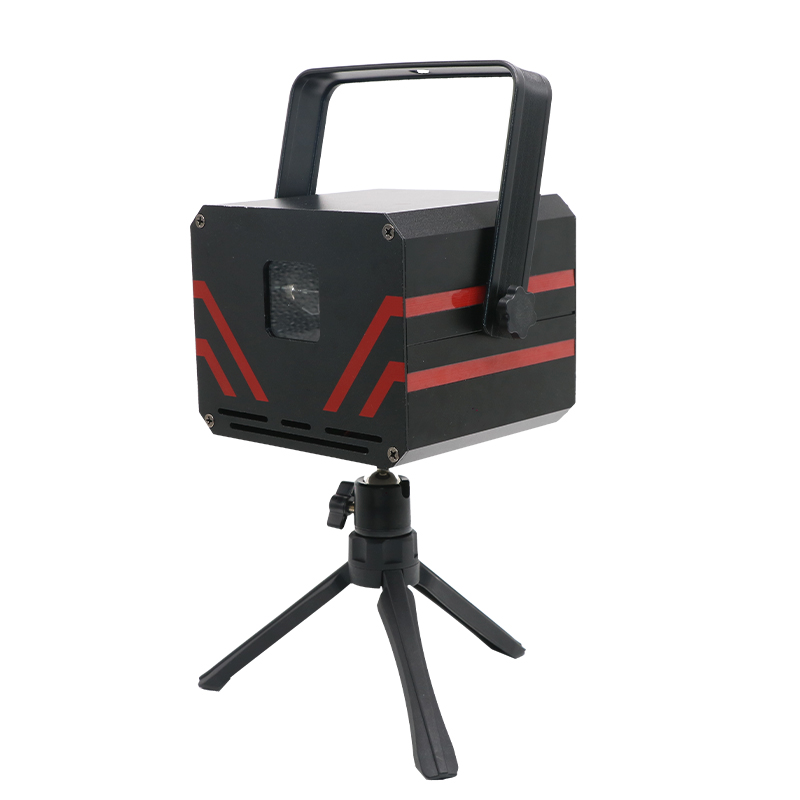
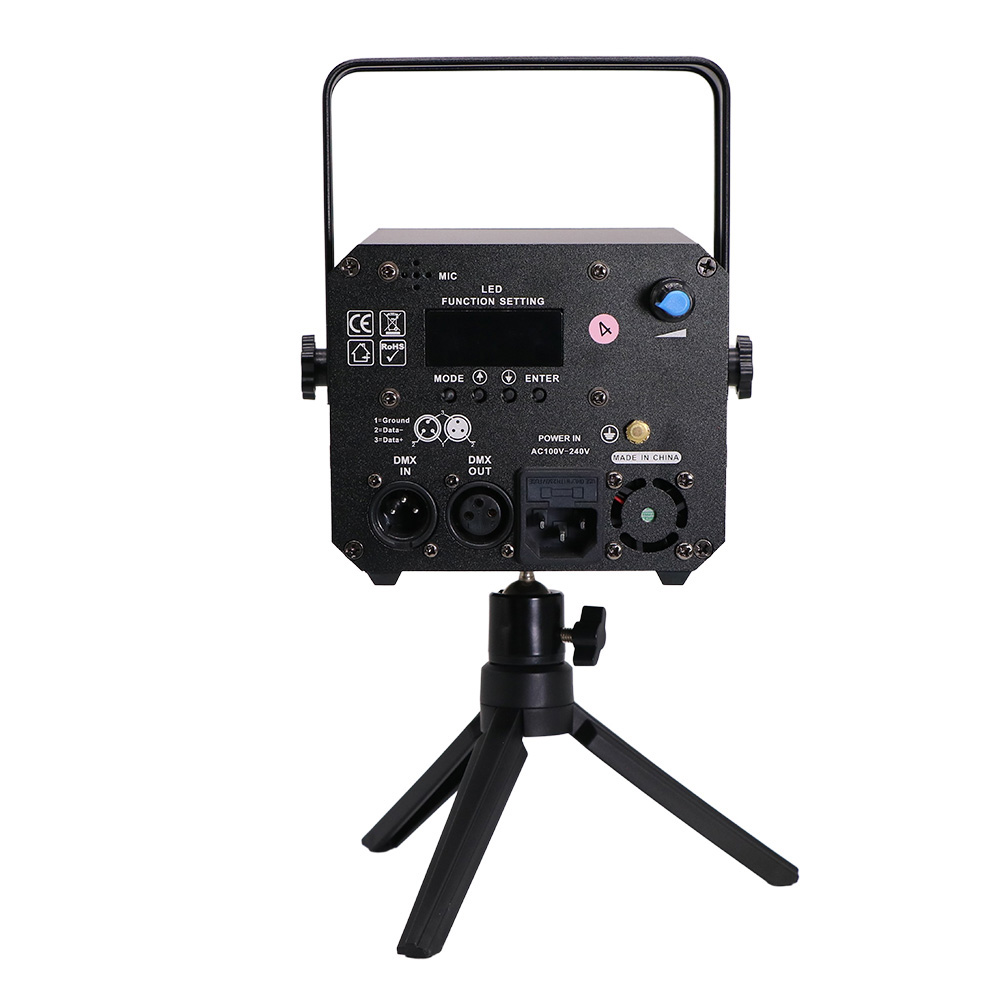
During execution, safety zones must be defined within the software. This prevents high-intensity laser beams from directly striking audience members, separating overhead atmospheric beam effects from target-safe projection surfaces. Additionally, proper laser hardware certification guarantees safe and reliable signal reception. For instance, using a laser system certified under CE standards, such as certificate number UTT202406076C, ensures that the laser light hardware complies with global safety and operational benchmarks during high-performance live events.
Data/Solution Comparison
When selecting control methods for laser light shows, different protocols suit different scales of event production. The table below outlines the primary technical differences:
| Control Protocol | Signal Type | Programming Complexity | Best Application Scenario |
|---|---|---|---|
| Standard ILDA (DB25) | Analog (-5V to +5V) | High (Full custom vector/graphic control) | Custom graphic animations, synchronized music shows, high-end corporate events |
| DMX512 / Art-Net | Digital (8-bit / 16-bit) | Medium (Triggers built-in patterns & effects) | DJ performances, club installations, integration with stage lighting consoles |
| Mobile APP Control | Wireless (Bluetooth/Wi-Fi) | Low (Preset selection & text typing) | Small parties, weddings, mobile DJs, quick plug-and-play event setups |
Frequently Asked Questions (FAQ)
Q1: What happens if I set the software scan rate higher than the projector's PPS rating?
A1: Setting a software PPS rate that exceeds the hardware capability of the galvo scanners causes distorted projections, incomplete vector lines, and can lead to overheating or permanent mechanical damage to the scanner motors.
Q2: Can I run an ILDA laser show over long distances without signal degradation?
A2: Analog DB25 cables suffer from signal attenuation over long distances (typically beyond 30 meters). For long-distance setups, it is best to place the DAC near the projector and run a digital Ethernet cable from the control computer to the DAC.
Q3: Is it possible to program ILDA shows for multi-projector setups?
A3: Yes. Standard ILDA software supports multi-projector zoning. You can either daisy-chain the projectors to mirror the same signal, or connect multiple DACs to the control computer to output unique, independent graphics to each laser projector.
Final Conclusion & Recommendations
Programming a successful laser light show requires a balance between creative software design and a solid understanding of physical hardware limits. Always perform a scanner calibration check using the standard ILDA test pattern before running a newly programmed show. For event planners and distributors looking to deploy these systems, sourcing robust hardware is essential. Selecting a manufacturer that integrates professional R&D and strict quality control processes ensures stable hardware performance. This is particularly vital in commercial bulk projects, such as large-scale events in the United States and France where hundreds of stage lighting units, including RGB lasers and atmospheric effects, must run reliably for hours without failure. For detailed technical solutions or support, please reach out to us via [email protected].
About Us
The brand Guangzhou New Feel Lighting And Audio Equipment Co., Ltd., established in 2008, is a professional manufacturer specializing in stage lighting and special effects equipment based in Guangzhou, China. With 50 employees and a factory area of 3,500 square meters, the company has developed strong capabilities in product design, R&D, and manufacturing. They deliver reliable OEM/ODM solutions and hold CE certification (UTT202406076C) for their laser lights, serving clients across multiple industries worldwide.

Lastest
-
How are rising fuel costs impacting global LCL shipping trends?
2026-07-20 -
Is it possible to emboss our brand logo on vegetan leather?
2026-07-20 -
How does the supplier handle defective parts of a K-House?
2026-07-20 -
How do I choose the right laser light show wattage for a 5000-person outdoor venue?
2026-07-20 -
How do I verify the actual brightness of an RGB laser projector before buying bulk?
2026-07-20
SUBSCRIBE
INQUIRY