- Masonry Materials
- Curtain Walls & Accessories
- Earthwork Products
- Fireproofing Materials
- Heat Insulation Materials
- Plastic Building Materials
- Building Boards
- Soundproofing Materials
- Timber
- Waterproofing Materials
- Balustrades & Handrails
- Bathroom & Kitchen
- Flooring & Accessories
- Tiles & Accessories
- Door, Window & Accessories
- Fireplaces & Stoves
- Floor Heating Systems & Parts
- Stairs & Stair Parts
- Ceilings
- Elevators & Escalators
- Stone
- Countertops, Vanity Tops & Table Tops
- Mosaics
- Metal Building Materials
- Multifunctional Materials
- Ladders & Scaffoldings
- Mouldings
- Corner Guards
- Decorative Films
- Formwork
- Building & Industrial Glass
- Other Construction & Real Estate
- Wallpapers/Wall panels
- HVAC System & Parts
- Outdoor Facilities
- Prefabricated Buildings
- Festive & Party Supplies
- Bathroom Products
- Household Sundries
- Rain Gear
- Garden Supplies
- Household Cleaning Tools & Accessories
- Lighters & Smoking Accessories
- Home Storage & Organization
- Household Scales
- Smart Home Improvement
- Home Textiles
- Kitchenware
- Drinkware & Accessories
- Dinnerware, Coffee & Wine
- Home Decor
- Golf
- Fitness & Body Building
- Amusement Park Facilities
- Billiards, Board Game,Coin Operated Games
- Musical Instruments
- Outdoor Affordable Luxury Sports
- Camping & Hiking
- Fishing
- Sports Safety&Rehabilitation
- Ball Sports Equipments
- Water Sports
- Winter Sports
- Luxury Travel Equipments
- Sports Shoes, Bags & Accessories
- Cycling
- Other Sports & Entertainment Products
- Artificial Grass&Sports Flooring&Sports Court Equipment
- Scooters
- Food Ingredients
- Honey & Honey Products
- Snacks
- Nuts & Kernels
- Seafood
- Plant & Animal Oil
- Beverages
- Fruit & Vegetable Products
- Frog & Escargot
- Bean Products
- Egg Products
- Dairy Products
- Seasonings & Condiments
- Canned Food
- Instant Food
- Baked Goods
- Other Food & Beverage
- Meat & Poultry
- Confectionery
- Grain Products
- Feminie Care
- Hair Care & Styling
- Body Care
- Hands & Feet Care
- Hygiene Products
- Men's Grooming
- Laundry Cleaning Supplies
- Travel Size & Gift Sets
- Room Deodorizers
- Other Personal Care Products
- Pest Control Products
- Special Household Cleaning
- Floor Cleaning
- Kitchen & Bathroom Cleaning
- Oral Care
- Bath Supplies
- Yellow Pages
- Correction Supplies
- Office Binding Supplies
- Office Cutting Supplies
- Board Erasers
- Office Adhesives & Tapes
- Education Supplies
- Pencil Cases & Bags
- Notebooks & Writing Pads
- File Folder Accessories
- Calendars
- Writing Accessories
- Commercial Office Supplies
- Pencil Sharpeners
- Pens
- Letter Pad/Paper
- Paper Envelopes
- Desk Organizers
- Pencils
- Markers & Highlighters
- Filing Products
- Art Supplies
- Easels
- Badge Holder & Accessories
- Office Paper
- Printer Supplies
- Book Covers
- Other Office & School Supplies
- Stationery Set
- Boards
- Clipboards
- Stamps
- Drafting Supplies
- Stencils
- Electronic Dictionary
- Books
- Map
- Magazines
- Calculators
- Baby & Toddler Toys
- Educational Toys
- Classic Toys
- Dress Up & Pretend Play
- Toy Vehicle
- Stuffed Animals & Plush Toys
- Outdoor Toys & Structures
- Balloons & Accessories
- Baby Food
- Children's Clothing
- Baby Supplies & Products
- Maternity Clothes
- Kids Shoes
- Baby Care
- Novelty & Gag Toys
- Dolls & Accessories
- Puzzle & Games
- Blocks & Model Building Toys
- Toddler Clothing
- Baby Clothing
- Kids' Luggage & Bags
- Arts, Crafts & DIY Toys
- Action & Toy Figures
- Baby Appliances
- Hobbies & Models
- Remote Control Toys
- Promotional Toys
- Pregnancy & Maternity
- Hygiene Products
- Kid's Textile&Bedding
- Novelty & Special Use
- Toy Weapons
- Baby Gifts
- Baby Storage & Organization
- Auto Drive Systems
- ATV/UTV Parts & Accessories
- Marine Parts & Accessories
- Other Auto Parts
- Trailer Parts & Accessories
- Auto Transmission Systems
- Train Parts & Accessories
- Universal Parts
- Railway Parts & Accessories
- Auto Brake Systems
- Aviation Parts & Accessories
- Truck Parts & Accessories
- Auto Suspension Systems
- Auto Lighting Systems
- New Energy Vehicle Parts & Accessories
- Auto Steering Systems
- Wheels, Tires & Accessories
- Bus Parts & Accessories
- Auto Performance Parts
- Cooling System
- Go-Kart & Kart Racer Parts & Accessories
- Air Conditioning Systems
- Heavy Duty Vehicle Parts & Accessories
- Auto Electrical Systems
- Auto Body Systems
- Auto Engine Systems
- Container Parts & Accessories
- Motorcycle Parts & Accessories
- Refrigeration & Heat Exchange Equipment
- Machine Tool Equipment
- Food & Beverage Machinery
- Agricultural Machinery & Equipment
- Apparel & Textile Machinery
- Chemical Machinery
- Packaging Machines
- Paper Production Machinery
- Plastic & Rubber Processing Machinery
- Industrial Robots
- Electronic Products Machinery
- Metal & Metallurgy Machinery
- Woodworking Machinery
- Home Product Manufacturing Machinery
- Machinery Accessories
- Environmental Machinery
- Machinery Service
- Electrical Equipment Manufacturing Machinery
- Industrial Compressors & Parts
- Tobacco & Cigarette Machinery
- Production Line
- Used Industrial Machinery
- Electronics Production Machinery
- Other Machinery & Industrial Equipment
- Camera, Photo & Accessories
- Portable Audio, Video & Accessories
- Television, Home Audio, Video & Accessories
- Video Games & Accessories
- Mobile Phone & Accessories
- Electronic Publications
- Earphone & Headphone & Accessories
- Speakers & Accessories
- Smart Electronics
- TV Receivers & Accessories
- Mobile Phone & Computer Repair Parts
- Chargers, Batteries & Power Supplies
- Used Electronics
- VR, AR, MR Hardware & Software
- Projectors & Presentation Equipments
- Other Consumer Electronics
- Cables & Commonly Used Accessories
- Computer Hardware & Software
- Displays, Signage and Optoelectronics
- Discrete Semiconductors
- Wireless & IoT Module and Products
- Telecommunications
- Connectors, Terminals & Accessories
- Development Boards, Electronic Modules and Kits
- Circuit Protection
- Sensors
- Isolators
- Audio Components and Products
- Integrated Circuits
- Power Supplies
- Relays
- RF, Microwave and RFID
- Electronic Accessories & Supplies
- Passive Components
- PCB & PCBA
- Air Quality Appliances
- Home Appliance Parts
- Heating & Cooling Appliances
- Small Kitchen Appliances
- Laundry Appliances
- Water Heaters
- Water Treatment Appliances
- Refrigerators & Freezers
- Personal Care & Beauty Appliances
- Major Kitchen Appliances
- Cleaning Appliances
- Second-hand Appliances
- Smart Home Appliances
- Other Home Appliances
- Energy Chemicals
- Inorganic Chemicals
- Basic Organic Chemicals
- Agrochemicals
- Admixture & Additives
- Catalysts & Chemical Auxiliary Agents
- Pigments & Dyestuff
- Coating & Paint
- Daily Chemicals
- Polymer
- Organic Intermediate
- Adhesives & Sealants
- Chemical Waste
- Biological Chemical Products
- Surface Treatment Chemicals
- Painting & Coating
- Chemical Reagents
- Flavor & Fragrance
- Non-Explosive Demolition Agents
- Other Chemicals
- Custom Chemical Services

How do I choose between ABS and PC for an anti-corrosion plastic distribution box used outdoors?
- VIP-User
- 2026-07-28
- 1
Choosing between ABS and PC for an outdoor anti-corrosion plastic distribution box depends on environmental exposure. Polycarbonate (PC) offers superior UV resistance and impact strength, making it ideal for exposed covers. Acrylonitrile Butadiene Styrene (ABS) provides excellent chemical resistance and structural rigidity at a lower cost, serving well as a basebox. Hybrid designs combine both materials to optimize durability and cost-efficiency.
Core Solutions & Key Takeaways
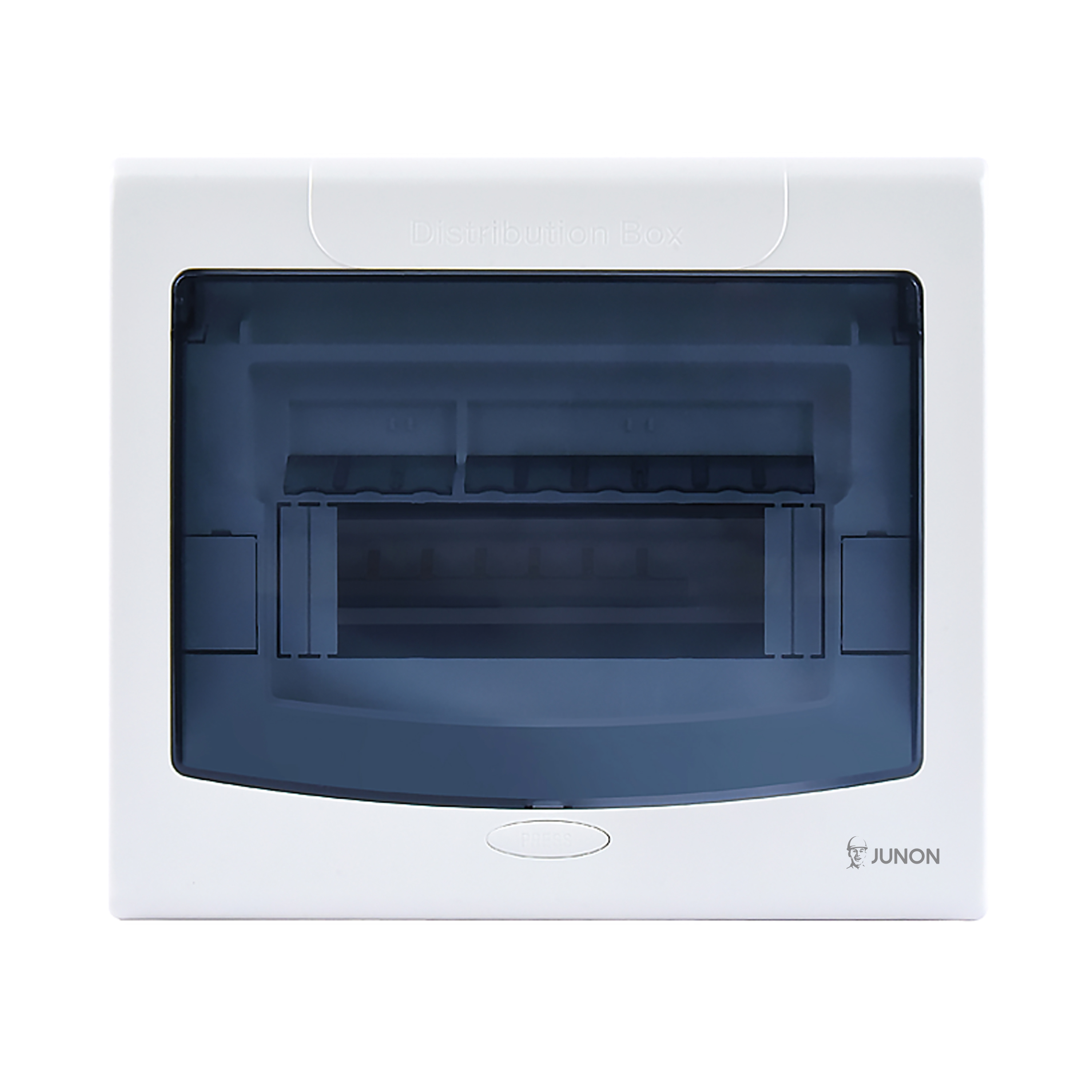
- Material Synergy: Optimal outdoor protection is achieved by combining a UV-resistant PC cover with a high-rigidity, fireproof ABS basebox, as seen in the V12 series 9-way flush mounted distribution box.
- Environmental Degradation Resistance: For Outdoor & Municipal Engineering, PC prevents discoloration and cracking from direct sunlight, while ABS resists soils and chemical pollutants.
- Mechanical Integrity: Integrating pure copper busbars and terminal bars inside the distribution box maintains electrical stability under high industrial and logistic application loads.
- Flame Retardancy: Selecting fireproof ABS baseboxes ensures localized self-extinguishing capabilities, reducing risks in residential and commercial installations.
The performance of these distribution units is proven through rigorous testing and real-world deployment across various construction standards.
Detailed Architectural/Principle Analysis
The chemical composition of polymer enclosures dictates their physical performance under outdoor stressors. Acrylonitrile Butadiene Styrene (ABS) is an amorphous terpolymer. The acrylonitrile component contributes chemical resistance and thermal stability, butadiene delivers impact toughness, and styrene provides a rigid, easily processable finish. When formulated with fireproof additives, ABS serves as an exceptional material for the basebox, shielding internal electrical wiring from ground moisture and chemical exposure in flush-mounted configurations.
Polycarbonate (PC) is a thermoplastic polymer containing carbonate groups. Its molecular structure allows for high light transmission, exceptional impact resistance, and stable performance across temperature extremes. More importantly, PC resists ultraviolet (UV) radiation far better than standard ABS, which tends to degrade and turn brittle when exposed to sunlight. Employing a PC cover ensures the front face of the distribution box remains visually clear and structurally intact under direct solar exposure.
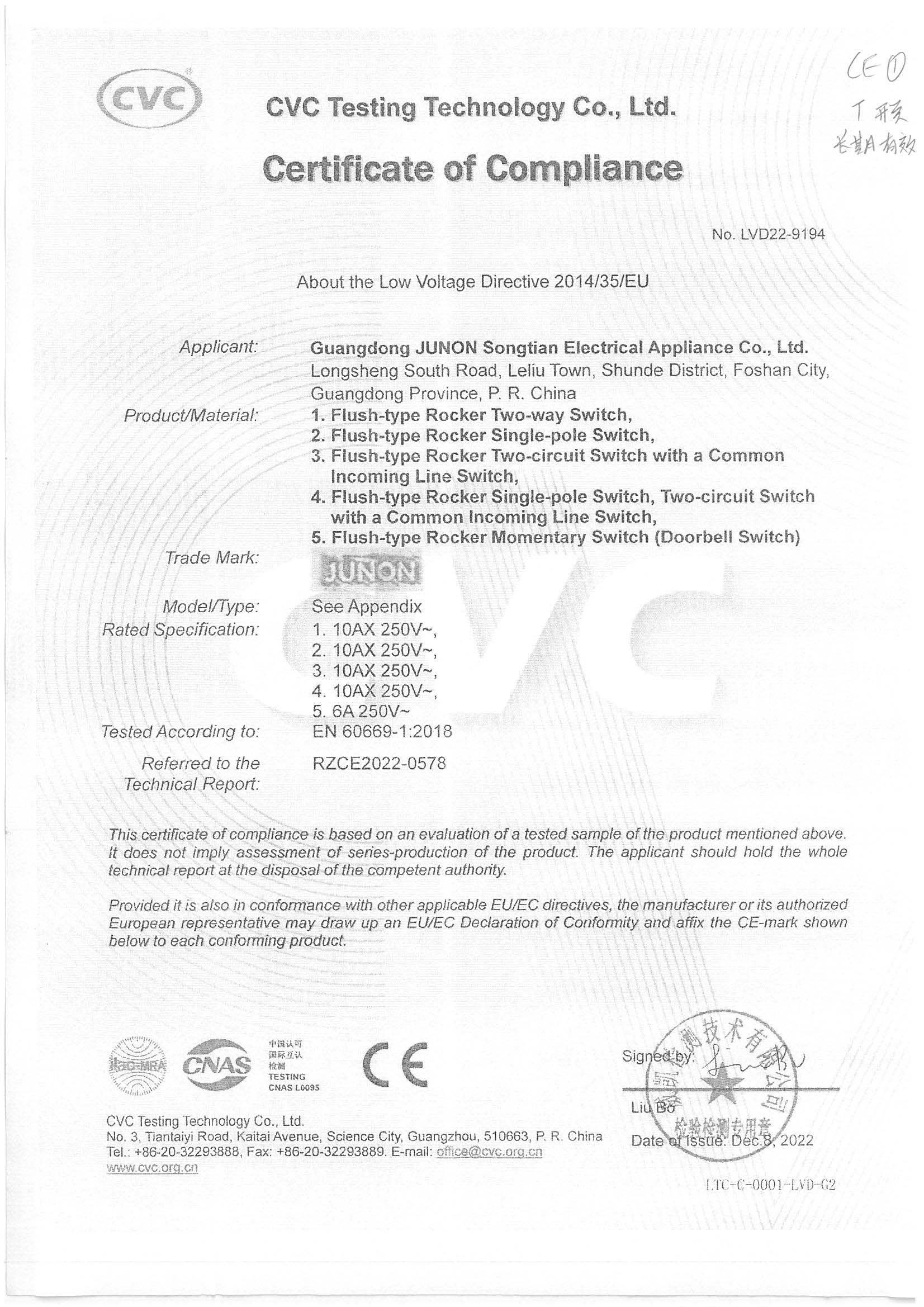
This hybrid approach ensures high-performance durability. Industrial systems manufactured under certified quality frameworks, such as the ISO 9001:2015 Quality Management System and carrying international safety standards like the CE certification (LVD22-9194), consistently implement these combined material benefits to prevent field failures.
Engineering contractors in projects such as the Garden Inn Nairobi Airport in Kenya and the Sheraton Astana Hotel in Kazakhstan utilize this hybrid design to ensure electrical safety and enclosure longevity without suffering premature weathering.

Data/Solution Comparison
To determine the correct configuration for specific installation sites, review the physical properties of each polymer option outlined below:
| Material / Solution | UV Resistance | Impact Strength | Chemical Resistance | Typical Application Part | Flame Retardancy |
|---|---|---|---|---|---|
| Polycarbonate (PC) | High | Very High | Medium | Cover / Enclosure Window | Excellent |
| ABS (Acrylonitrile Butadiene Styrene) | Low to Medium | Medium to High | High | Basebox / Internal Chassis | High (Fireproof Grade) |
| V12 Series Hybrid Design | High (PC Cover) | High | High | Integrated Enclosure | Fireproof Base & PC Cover |
Frequently Asked Questions (FAQ)
Q1: Why does solar exposure cause yellowing in standard plastic distribution boxes, and how does PC prevent this?
A1: Sunlight contains UV radiation that breaks down polymer chains in untreated plastics like standard ABS, leading to yellowing, loss of gloss, and eventual brittleness. Polycarbonate (PC) covers feature high UV stability that maintains structural transparency and impact resistance over extended outdoor exposure.
Q2: What are the advantages of using a fireproof ABS basebox instead of a full PC enclosure?
A2: A fireproof ABS basebox provides excellent chemical resistance to soils, concrete, and masonry chemicals encountered during flush mounting. It also provides high dimensional stability and cost efficiency, while the PC cover protects the exposed front face from physical impact and environmental degradation.
Q3: How do internal components like copper busbars influence the lifespan of an anti-corrosion distribution box?
A3: Enclosure protection must be matched with interior hardware longevity. Internal elements, such as the pure copper busbar and terminal bars featured in the V12 series, prevent electrical resistance build-up and galvanic corrosion, ensuring steady electrical conductivity in humid or coastal environments.
Final Conclusion & Recommendations
Selecting the appropriate materials for outdoor distribution equipment directly impacts operational longevity. For flush-mounted outdoor and indoor transitions, utilizing a hybrid material solution like the V12 series 9-way distribution box—featuring a PC cover and a fireproof ABS basebox—provides the ideal balance of UV protection, structural durability, and cost efficiency. These units support stable power distribution in residential, commercial, and municipal projects. The hardware is accessible through global distribution and direct sales models, with a minimum order quantity (MOQ) of 500 pieces per model or mixed items in a 20ft container. Shipping is supported via ocean freight or air freight with standard delivery times of 30 to 45 days. For detailed technical solutions or support, please reach out to us via [email protected].
About Us
Guangdong JUNON Songtian Electrical Appliance Co.,Ltd is an established manufacturer in the area of switches, sockets, distribution boxes, and LED lights. Established in 1983, the company operates a factory area of 148,000 square meters and employs approximately 2,000 personnel. It maintains a robust production capacity of 100,000 distribution boxes per month alongside an annual switches and sockets output of 12 million units, with an annual output value of approximately 500 million RMB. Standardized production protocols are implemented across all lines, and products carry international credentials including CE, CB, RoHS, and ISO 9001:2015 certifications, serving clients across multiple industries in over 52 countries.
Lastest
-
How are rising fuel costs impacting global LCL shipping trends?
2026-07-28 -
Is it possible to emboss our brand logo on vegetan leather?
2026-07-28 -
How does the supplier handle defective parts of a K-House?
2026-07-28 -
How do I choose the right laser light show wattage for a 5000-person outdoor venue?
2026-07-28 -
How do I verify the actual brightness of an RGB laser projector before buying bulk?
2026-07-28
SUBSCRIBE
INQUIRY