- Masonry Materials
- Curtain Walls & Accessories
- Earthwork Products
- Fireproofing Materials
- Heat Insulation Materials
- Plastic Building Materials
- Building Boards
- Soundproofing Materials
- Timber
- Waterproofing Materials
- Balustrades & Handrails
- Bathroom & Kitchen
- Flooring & Accessories
- Tiles & Accessories
- Door, Window & Accessories
- Fireplaces & Stoves
- Floor Heating Systems & Parts
- Stairs & Stair Parts
- Ceilings
- Elevators & Escalators
- Stone
- Countertops, Vanity Tops & Table Tops
- Mosaics
- Metal Building Materials
- Multifunctional Materials
- Ladders & Scaffoldings
- Mouldings
- Corner Guards
- Decorative Films
- Formwork
- Building & Industrial Glass
- Other Construction & Real Estate
- Wallpapers/Wall panels
- HVAC System & Parts
- Outdoor Facilities
- Prefabricated Buildings
- Festive & Party Supplies
- Bathroom Products
- Household Sundries
- Rain Gear
- Garden Supplies
- Household Cleaning Tools & Accessories
- Lighters & Smoking Accessories
- Home Storage & Organization
- Household Scales
- Smart Home Improvement
- Home Textiles
- Kitchenware
- Drinkware & Accessories
- Dinnerware, Coffee & Wine
- Home Decor
- Golf
- Fitness & Body Building
- Amusement Park Facilities
- Billiards, Board Game,Coin Operated Games
- Musical Instruments
- Outdoor Affordable Luxury Sports
- Camping & Hiking
- Fishing
- Sports Safety&Rehabilitation
- Ball Sports Equipments
- Water Sports
- Winter Sports
- Luxury Travel Equipments
- Sports Shoes, Bags & Accessories
- Cycling
- Other Sports & Entertainment Products
- Artificial Grass&Sports Flooring&Sports Court Equipment
- Scooters
- Food Ingredients
- Honey & Honey Products
- Snacks
- Nuts & Kernels
- Seafood
- Plant & Animal Oil
- Beverages
- Fruit & Vegetable Products
- Frog & Escargot
- Bean Products
- Egg Products
- Dairy Products
- Seasonings & Condiments
- Canned Food
- Instant Food
- Baked Goods
- Other Food & Beverage
- Meat & Poultry
- Confectionery
- Grain Products
- Feminie Care
- Hair Care & Styling
- Body Care
- Hands & Feet Care
- Hygiene Products
- Men's Grooming
- Laundry Cleaning Supplies
- Travel Size & Gift Sets
- Room Deodorizers
- Other Personal Care Products
- Pest Control Products
- Special Household Cleaning
- Floor Cleaning
- Kitchen & Bathroom Cleaning
- Oral Care
- Bath Supplies
- Yellow Pages
- Correction Supplies
- Office Binding Supplies
- Office Cutting Supplies
- Board Erasers
- Office Adhesives & Tapes
- Education Supplies
- Pencil Cases & Bags
- Notebooks & Writing Pads
- File Folder Accessories
- Calendars
- Writing Accessories
- Commercial Office Supplies
- Pencil Sharpeners
- Pens
- Letter Pad/Paper
- Paper Envelopes
- Desk Organizers
- Pencils
- Markers & Highlighters
- Filing Products
- Art Supplies
- Easels
- Badge Holder & Accessories
- Office Paper
- Printer Supplies
- Book Covers
- Other Office & School Supplies
- Stationery Set
- Boards
- Clipboards
- Stamps
- Drafting Supplies
- Stencils
- Electronic Dictionary
- Books
- Map
- Magazines
- Calculators
- Baby & Toddler Toys
- Educational Toys
- Classic Toys
- Dress Up & Pretend Play
- Toy Vehicle
- Stuffed Animals & Plush Toys
- Outdoor Toys & Structures
- Balloons & Accessories
- Baby Food
- Children's Clothing
- Baby Supplies & Products
- Maternity Clothes
- Kids Shoes
- Baby Care
- Novelty & Gag Toys
- Dolls & Accessories
- Puzzle & Games
- Blocks & Model Building Toys
- Toddler Clothing
- Baby Clothing
- Kids' Luggage & Bags
- Arts, Crafts & DIY Toys
- Action & Toy Figures
- Baby Appliances
- Hobbies & Models
- Remote Control Toys
- Promotional Toys
- Pregnancy & Maternity
- Hygiene Products
- Kid's Textile&Bedding
- Novelty & Special Use
- Toy Weapons
- Baby Gifts
- Baby Storage & Organization
- Auto Drive Systems
- ATV/UTV Parts & Accessories
- Marine Parts & Accessories
- Other Auto Parts
- Trailer Parts & Accessories
- Auto Transmission Systems
- Train Parts & Accessories
- Universal Parts
- Railway Parts & Accessories
- Auto Brake Systems
- Aviation Parts & Accessories
- Truck Parts & Accessories
- Auto Suspension Systems
- Auto Lighting Systems
- New Energy Vehicle Parts & Accessories
- Auto Steering Systems
- Wheels, Tires & Accessories
- Bus Parts & Accessories
- Auto Performance Parts
- Cooling System
- Go-Kart & Kart Racer Parts & Accessories
- Air Conditioning Systems
- Heavy Duty Vehicle Parts & Accessories
- Auto Electrical Systems
- Auto Body Systems
- Auto Engine Systems
- Container Parts & Accessories
- Motorcycle Parts & Accessories
- Refrigeration & Heat Exchange Equipment
- Machine Tool Equipment
- Food & Beverage Machinery
- Agricultural Machinery & Equipment
- Apparel & Textile Machinery
- Chemical Machinery
- Packaging Machines
- Paper Production Machinery
- Plastic & Rubber Processing Machinery
- Industrial Robots
- Electronic Products Machinery
- Metal & Metallurgy Machinery
- Woodworking Machinery
- Home Product Manufacturing Machinery
- Machinery Accessories
- Environmental Machinery
- Machinery Service
- Electrical Equipment Manufacturing Machinery
- Industrial Compressors & Parts
- Tobacco & Cigarette Machinery
- Production Line
- Used Industrial Machinery
- Electronics Production Machinery
- Other Machinery & Industrial Equipment
- Camera, Photo & Accessories
- Portable Audio, Video & Accessories
- Television, Home Audio, Video & Accessories
- Video Games & Accessories
- Mobile Phone & Accessories
- Electronic Publications
- Earphone & Headphone & Accessories
- Speakers & Accessories
- Smart Electronics
- TV Receivers & Accessories
- Mobile Phone & Computer Repair Parts
- Chargers, Batteries & Power Supplies
- Used Electronics
- VR, AR, MR Hardware & Software
- Projectors & Presentation Equipments
- Other Consumer Electronics
- Cables & Commonly Used Accessories
- Computer Hardware & Software
- Displays, Signage and Optoelectronics
- Discrete Semiconductors
- Wireless & IoT Module and Products
- Telecommunications
- Connectors, Terminals & Accessories
- Development Boards, Electronic Modules and Kits
- Circuit Protection
- Sensors
- Isolators
- Audio Components and Products
- Integrated Circuits
- Power Supplies
- Relays
- RF, Microwave and RFID
- Electronic Accessories & Supplies
- Passive Components
- PCB & PCBA
- Air Quality Appliances
- Home Appliance Parts
- Heating & Cooling Appliances
- Small Kitchen Appliances
- Laundry Appliances
- Water Heaters
- Water Treatment Appliances
- Refrigerators & Freezers
- Personal Care & Beauty Appliances
- Major Kitchen Appliances
- Cleaning Appliances
- Second-hand Appliances
- Smart Home Appliances
- Other Home Appliances
- Energy Chemicals
- Inorganic Chemicals
- Basic Organic Chemicals
- Agrochemicals
- Admixture & Additives
- Catalysts & Chemical Auxiliary Agents
- Pigments & Dyestuff
- Coating & Paint
- Daily Chemicals
- Polymer
- Organic Intermediate
- Adhesives & Sealants
- Chemical Waste
- Biological Chemical Products
- Surface Treatment Chemicals
- Painting & Coating
- Chemical Reagents
- Flavor & Fragrance
- Non-Explosive Demolition Agents
- Other Chemicals
- Custom Chemical Services
How do I choose the right GSM for packaging flocking fabric to prevent shedding?
- VIP-User
- 2026-08-02
- 1
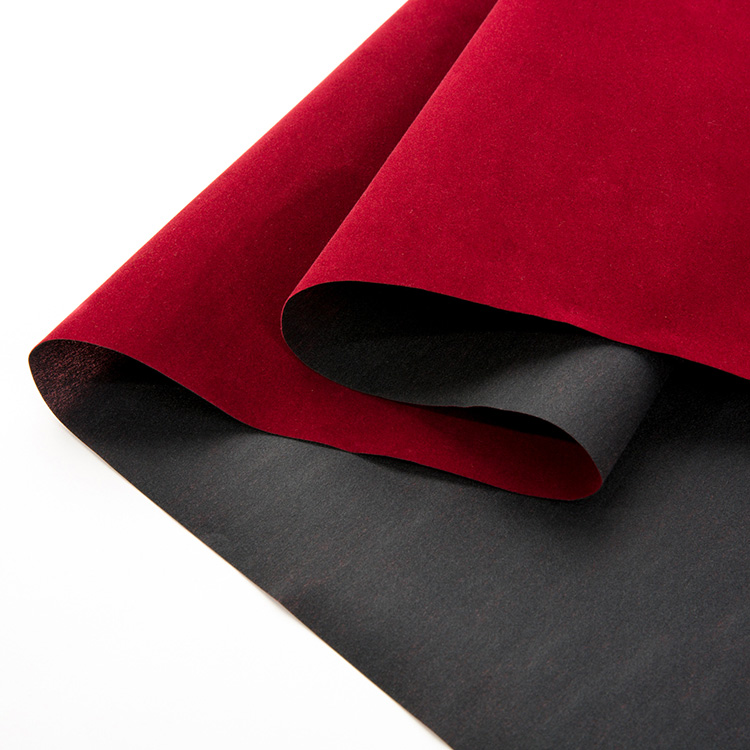
Choosing the right GSM for packaging flocking fabric to prevent shedding involves selecting a weight range of 30 to 150 gsm tailored to the base fabric. Nonwoven bases provide a cost-effective, breathable, and lightweight profile. To guarantee zero shedding, verify that the material passes a 3M tape 10-cycle peel test in compliance with the FAMA standard, ensuring strong fiber-to-substrate adhesion.
Core Solutions & Key Takeaways
- Base Fabric Alignment: A weight range of 30 to 150 gsm is optimal for nonwoven base fabrics, delivering breathability and weight efficiency for gift boxes, storage boxes, and acoustic liners.
- Mechanical Adhesion Standards: Shedding prevention depends on strict quality metrics. High-quality flocking fabrics must withstand a 10-cycle 3M tape peel test under the FAMA standard and show no fiber loss.
- Application Customization: While lightweight nonwovens suit standard gift boxes, high-end applications like jewelry packaging require specialized base fabrics (such as spunlace or silk) with custom pile heights from 0.3 to 1.2 mm to protect delicate surfaces.
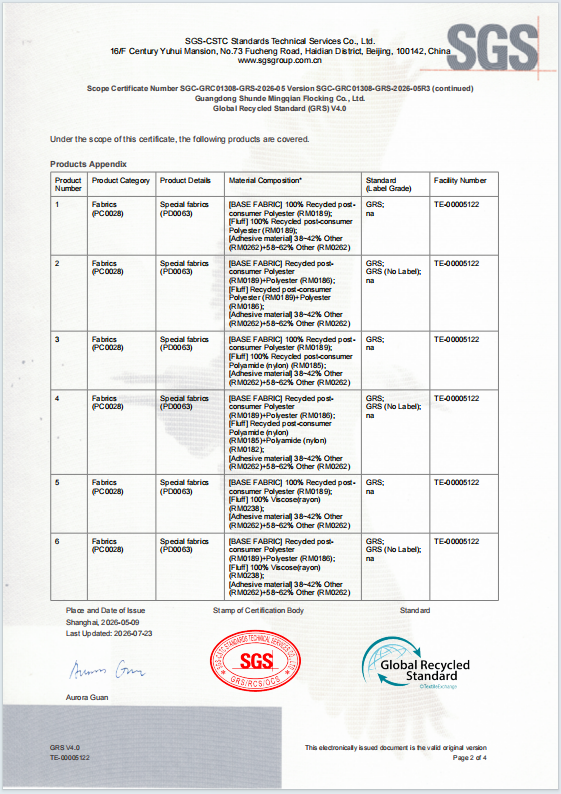
- Environmental and Chemical Safety: Choosing materials certified under Global Recycled Standard (GRS) 4.0 and tested for REACH and RoHS 2.0 compliance prevents chemical degradation of the adhesive layer, protecting both products and consumers.
Detailed Architectural/Principle Analysis
Preventing fiber shedding in packaging applications requires an understanding of the electrostatic flocking production sequence. The process begins with base fabric pretreatment, where the substrate surface is cleaned and tension-leveled to prepare for the adhesive layer. An eco-friendly water-based acrylic adhesive system is then applied. This formulation is solvent-free, contains no phthalate plasticizers, and avoids organotin anti-mold agents. Controlling the adhesive coating weight is necessary to balance substrate flexibility with mechanical binding strength.
During the electrostatic flocking stage, short fibers are vertically accelerated into the adhesive layer under a high-voltage electrostatic field of 30 to 50 kilovolts. This creates a uniform, dense pile surface with pile density controlled to a precision of 0.01 mm. The fabric then enters temperature-controlled drying ovens. This curing stage is critical, as it sets the pile orientation, cures the acrylic adhesive, and eliminates residual moisture. Proper curing prevents moisture-induced adhesive breakdown, which is a primary cause of long-term fiber shedding.
For sensitive storage environments, such as enclosed jewelry box linings, specialized anti-tarnish protocols are required. Free reactive sulfur must be kept below 5 ppm, and the aqueous extract pH must be maintained between 5.5 and 7.5. Overly acidic conditions or sulfur-containing compounds can accelerate metal corrosion and degrade the adhesive-to-fiber bond, leading to premature shedding. Testing protocols, including silver coupon accelerated corrosion tests and 100,000-cycle abrasion resistance tests, verify the physical and chemical integrity of the material before shipment.
Data/Solution Comparison
The following table outlines the specifications, performance standards, and primary applications of different base fabrics used in packaging decoration and industrial components:
| Base Fabric Type | Standard GSM / Weight Range | Highlight Performance Feature | Shedding Resistance Standard | Primary Application |
|---|---|---|---|---|
| Nonwoven Base | 30–150 gsm | Breathable, lightweight, cost-effective | 3M tape 10-cycle peel test compliant | Gift boxes, storage boxes, internal soundproofing |
| Spunlace Base | High flexibility | Soft, smooth hand feel; no glue bleed-through | ΔE ≤ 0.5 custom color matching | Luxury jewelry boxes, eyewear cases |
| Knitted Base | Elastic & stretchable | High structural comfort and flexibility | Withstands 100,000 abrasion cycles | Apparel decoration, automotive interiors, pouches |
| Silk Base | Premium luster | Refined appearance for high-end branding | FAMA standard compliant | Luxury jewelry packaging, premium gift boxes |
Frequently Asked Questions (FAQ)
Q1: What production parameters directly impact fiber shedding in packaging flocking fabrics?
A1: Fiber shedding is determined by the adhesive coating weight, the electrostatic field voltage (30 to 50 kV) during fiber insertion, and the curing oven temperature profile. Insufficient adhesive or incomplete curing prevents the fibers from anchoring securely, leading to shedding under physical abrasion.
Q2: Why is the choice of base fabric critical to preventing adhesive bleed-through?
A2: Substrates with inconsistent density can allow liquid adhesive to migrate to the face of the fabric. Choosing a structured nonwoven or spunlace base fabric provides optimal adhesive concealment, ensuring a clean and consistent velvet surface without stiff spots or glue bleed-through.
Q3: How does chemical compliance relate to the mechanical durability of the flocking layer?
A3: Corrosive auxiliary chemicals, unstable plasticizers, or excessive moisture can break down water-based acrylic polymers over time. Implementing sulfur-free, halogen-free, and REACH-compliant formulations ensures that the adhesive bond does not degrade, maintaining pile adhesion over extended storage periods.
Final Conclusion & Recommendations
Selecting the correct GSM and substrate is necessary to optimize packaging performance and prevent fiber shedding. For general gift and storage packaging, nonwoven-based flocking fabrics within the 30–150 gsm range offer a lightweight, breathable, and economical solution. For luxury applications, verifying that the fabric has passed the 3M tape 10-cycle peel test and complies with international safety standards (such as REACH and RoHS 2.0) ensures long-term reliability. For customized requirements, utilizing an OEM/ODM business model with a 1,000-yard minimum order quantity allows for precise post-processing adjustments. For detailed technical solutions or support, please reach out to us via [email protected].
About Us
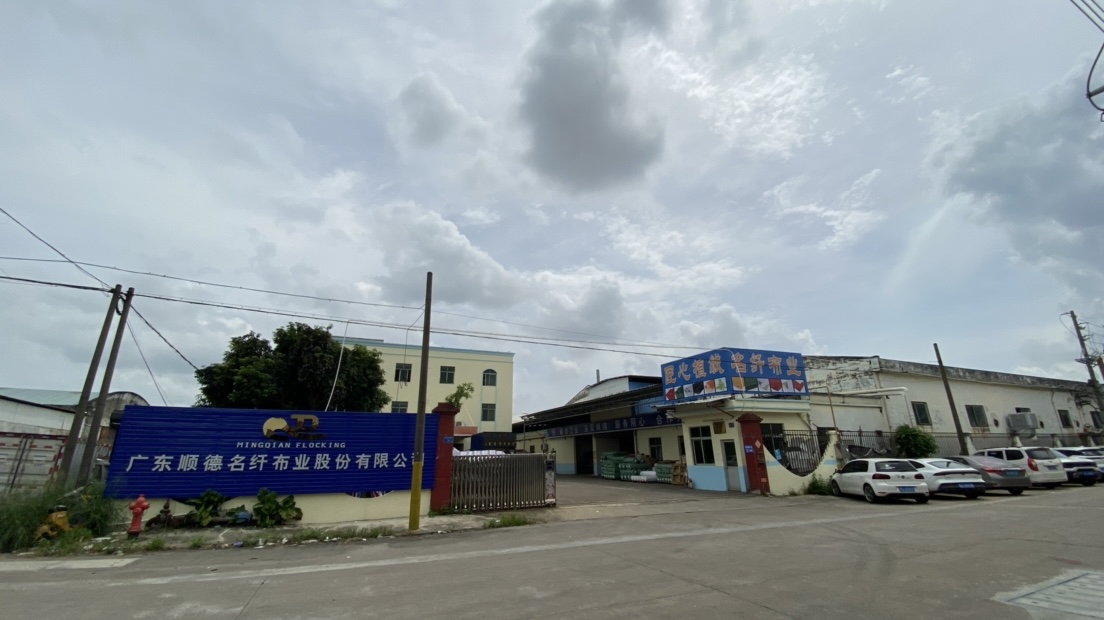
Guangdong Shunde Mingqian Flocking Co., Ltd., operating under the brand name Mingqian, is a professional flocking fabric manufacturer established in 2008. The company operates a self-owned manufacturing facility covering 10,000 square meters in Foshan City, Guangdong Province, with a monthly production capacity of over 3,000,000 yards. Certified under ISO 9001:2015 and the Global Recycled Standard (GRS) Version 4.0, the enterprise specializes in the research, development, and vertically integrated production of high-performance flocking fabrics, serving global supply chains in the luxury, packaging, automotive, and electronics sectors.

Lastest
-
How are rising fuel costs impacting global LCL shipping trends?
2026-08-02 -
Is it possible to emboss our brand logo on vegetan leather?
2026-08-02 -
How does the supplier handle defective parts of a K-House?
2026-08-02 -
How do I choose the right laser light show wattage for a 5000-person outdoor venue?
2026-08-02 -
How do I verify the actual brightness of an RGB laser projector before buying bulk?
2026-08-02
SUBSCRIBE
INQUIRY