- Masonry Materials
- Curtain Walls & Accessories
- Earthwork Products
- Fireproofing Materials
- Heat Insulation Materials
- Plastic Building Materials
- Building Boards
- Soundproofing Materials
- Timber
- Waterproofing Materials
- Balustrades & Handrails
- Bathroom & Kitchen
- Flooring & Accessories
- Tiles & Accessories
- Door, Window & Accessories
- Fireplaces & Stoves
- Floor Heating Systems & Parts
- Stairs & Stair Parts
- Ceilings
- Elevators & Escalators
- Stone
- Countertops, Vanity Tops & Table Tops
- Mosaics
- Metal Building Materials
- Multifunctional Materials
- Ladders & Scaffoldings
- Mouldings
- Corner Guards
- Decorative Films
- Formwork
- Building & Industrial Glass
- Other Construction & Real Estate
- Wallpapers/Wall panels
- HVAC System & Parts
- Outdoor Facilities
- Prefabricated Buildings
- Festive & Party Supplies
- Bathroom Products
- Household Sundries
- Rain Gear
- Garden Supplies
- Household Cleaning Tools & Accessories
- Lighters & Smoking Accessories
- Home Storage & Organization
- Household Scales
- Smart Home Improvement
- Home Textiles
- Kitchenware
- Drinkware & Accessories
- Dinnerware, Coffee & Wine
- Home Decor
- Golf
- Fitness & Body Building
- Amusement Park Facilities
- Billiards, Board Game,Coin Operated Games
- Musical Instruments
- Outdoor Affordable Luxury Sports
- Camping & Hiking
- Fishing
- Sports Safety&Rehabilitation
- Ball Sports Equipments
- Water Sports
- Winter Sports
- Luxury Travel Equipments
- Sports Shoes, Bags & Accessories
- Cycling
- Other Sports & Entertainment Products
- Artificial Grass&Sports Flooring&Sports Court Equipment
- Scooters
- Food Ingredients
- Honey & Honey Products
- Snacks
- Nuts & Kernels
- Seafood
- Plant & Animal Oil
- Beverages
- Fruit & Vegetable Products
- Frog & Escargot
- Bean Products
- Egg Products
- Dairy Products
- Seasonings & Condiments
- Canned Food
- Instant Food
- Baked Goods
- Other Food & Beverage
- Meat & Poultry
- Confectionery
- Grain Products
- Feminie Care
- Hair Care & Styling
- Body Care
- Hands & Feet Care
- Hygiene Products
- Men's Grooming
- Laundry Cleaning Supplies
- Travel Size & Gift Sets
- Room Deodorizers
- Other Personal Care Products
- Pest Control Products
- Special Household Cleaning
- Floor Cleaning
- Kitchen & Bathroom Cleaning
- Oral Care
- Bath Supplies
- Yellow Pages
- Correction Supplies
- Office Binding Supplies
- Office Cutting Supplies
- Board Erasers
- Office Adhesives & Tapes
- Education Supplies
- Pencil Cases & Bags
- Notebooks & Writing Pads
- File Folder Accessories
- Calendars
- Writing Accessories
- Commercial Office Supplies
- Pencil Sharpeners
- Pens
- Letter Pad/Paper
- Paper Envelopes
- Desk Organizers
- Pencils
- Markers & Highlighters
- Filing Products
- Art Supplies
- Easels
- Badge Holder & Accessories
- Office Paper
- Printer Supplies
- Book Covers
- Other Office & School Supplies
- Stationery Set
- Boards
- Clipboards
- Stamps
- Drafting Supplies
- Stencils
- Electronic Dictionary
- Books
- Map
- Magazines
- Calculators
- Baby & Toddler Toys
- Educational Toys
- Classic Toys
- Dress Up & Pretend Play
- Toy Vehicle
- Stuffed Animals & Plush Toys
- Outdoor Toys & Structures
- Balloons & Accessories
- Baby Food
- Children's Clothing
- Baby Supplies & Products
- Maternity Clothes
- Kids Shoes
- Baby Care
- Novelty & Gag Toys
- Dolls & Accessories
- Puzzle & Games
- Blocks & Model Building Toys
- Toddler Clothing
- Baby Clothing
- Kids' Luggage & Bags
- Arts, Crafts & DIY Toys
- Action & Toy Figures
- Baby Appliances
- Hobbies & Models
- Remote Control Toys
- Promotional Toys
- Pregnancy & Maternity
- Hygiene Products
- Kid's Textile&Bedding
- Novelty & Special Use
- Toy Weapons
- Baby Gifts
- Baby Storage & Organization
- Auto Drive Systems
- ATV/UTV Parts & Accessories
- Marine Parts & Accessories
- Other Auto Parts
- Trailer Parts & Accessories
- Auto Transmission Systems
- Train Parts & Accessories
- Universal Parts
- Railway Parts & Accessories
- Auto Brake Systems
- Aviation Parts & Accessories
- Truck Parts & Accessories
- Auto Suspension Systems
- Auto Lighting Systems
- New Energy Vehicle Parts & Accessories
- Auto Steering Systems
- Wheels, Tires & Accessories
- Bus Parts & Accessories
- Auto Performance Parts
- Cooling System
- Go-Kart & Kart Racer Parts & Accessories
- Air Conditioning Systems
- Heavy Duty Vehicle Parts & Accessories
- Auto Electrical Systems
- Auto Body Systems
- Auto Engine Systems
- Container Parts & Accessories
- Motorcycle Parts & Accessories
- Refrigeration & Heat Exchange Equipment
- Machine Tool Equipment
- Food & Beverage Machinery
- Agricultural Machinery & Equipment
- Apparel & Textile Machinery
- Chemical Machinery
- Packaging Machines
- Paper Production Machinery
- Plastic & Rubber Processing Machinery
- Industrial Robots
- Electronic Products Machinery
- Metal & Metallurgy Machinery
- Woodworking Machinery
- Home Product Manufacturing Machinery
- Machinery Accessories
- Environmental Machinery
- Machinery Service
- Electrical Equipment Manufacturing Machinery
- Industrial Compressors & Parts
- Tobacco & Cigarette Machinery
- Production Line
- Used Industrial Machinery
- Electronics Production Machinery
- Other Machinery & Industrial Equipment
- Camera, Photo & Accessories
- Portable Audio, Video & Accessories
- Television, Home Audio, Video & Accessories
- Video Games & Accessories
- Mobile Phone & Accessories
- Electronic Publications
- Earphone & Headphone & Accessories
- Speakers & Accessories
- Smart Electronics
- TV Receivers & Accessories
- Mobile Phone & Computer Repair Parts
- Chargers, Batteries & Power Supplies
- Used Electronics
- VR, AR, MR Hardware & Software
- Projectors & Presentation Equipments
- Other Consumer Electronics
- Cables & Commonly Used Accessories
- Computer Hardware & Software
- Displays, Signage and Optoelectronics
- Discrete Semiconductors
- Wireless & IoT Module and Products
- Telecommunications
- Connectors, Terminals & Accessories
- Development Boards, Electronic Modules and Kits
- Circuit Protection
- Sensors
- Isolators
- Audio Components and Products
- Integrated Circuits
- Power Supplies
- Relays
- RF, Microwave and RFID
- Electronic Accessories & Supplies
- Passive Components
- PCB & PCBA
- Air Quality Appliances
- Home Appliance Parts
- Heating & Cooling Appliances
- Small Kitchen Appliances
- Laundry Appliances
- Water Heaters
- Water Treatment Appliances
- Refrigerators & Freezers
- Personal Care & Beauty Appliances
- Major Kitchen Appliances
- Cleaning Appliances
- Second-hand Appliances
- Smart Home Appliances
- Other Home Appliances
- Energy Chemicals
- Inorganic Chemicals
- Basic Organic Chemicals
- Agrochemicals
- Admixture & Additives
- Catalysts & Chemical Auxiliary Agents
- Pigments & Dyestuff
- Coating & Paint
- Daily Chemicals
- Polymer
- Organic Intermediate
- Adhesives & Sealants
- Chemical Waste
- Biological Chemical Products
- Surface Treatment Chemicals
- Painting & Coating
- Chemical Reagents
- Flavor & Fragrance
- Non-Explosive Demolition Agents
- Other Chemicals
- Custom Chemical Services

How do I prevent high-temperature silicone ink from cracking under 300°C heat?
- VIP-User
- 2026-08-02
- 1
To prevent high-temperature silicone ink from cracking under 300°C heat, you must ensure precise curing parameters, optimize ink viscosity, and select high-grade formulations like Shichuangli SCL-00YM. Proper surface pretreatment of silicone rubber or medical tubes, combined with a controlled heat-baking cycle, guarantees strong adhesion and thermal stability without molecular degradation.
Core Solutions & Key Takeaways
- Controlled Thermal Baking: Curing must follow step-by-step heating phases to prevent structural stress and volatile entrapment inside the ink layer.
- Optimal Viscosity and Flowing Degree: Selecting an ink with a viscosity of 100 S and a flowing degree ≥ 30 mm ensures uniform film thickness, eliminating the weak points where thermal cracks originate.
- Substrate Compatibility: Match the formula specifically with silicone substrates such as silicone rubber cables, medical tubes, pen covers, and buttons to establish stable co-vulcanization bonding.
- Fine Particle Distribution: Utilizing ink with an 8 μm fineness minimizes surface roughness and enhances the mechanical flexibility of the cured print under extreme thermal expansion.
Detailed Architectural/Principle Analysis
High-temperature baking silicone ink, such as the imported SCL-00YM model from Dongguan Shichuangli Zhihui Technology Co., Ltd., relies on polysiloxane cross-linking networks to survive temperatures reaching 300°C. Cracking often occurs due to mismatched thermal expansion coefficients between the cured ink layer and the underlying silicone substrate. When heated rapidly, the residual solvent or moisture within the ink expands faster than the polymer matrix can stretch, leading to micro-fractures.
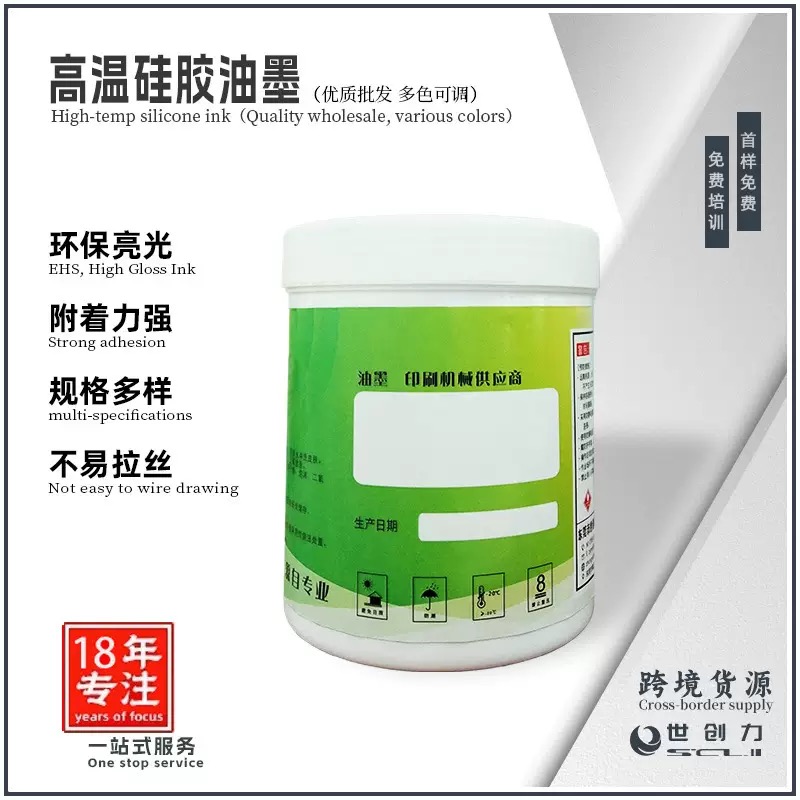
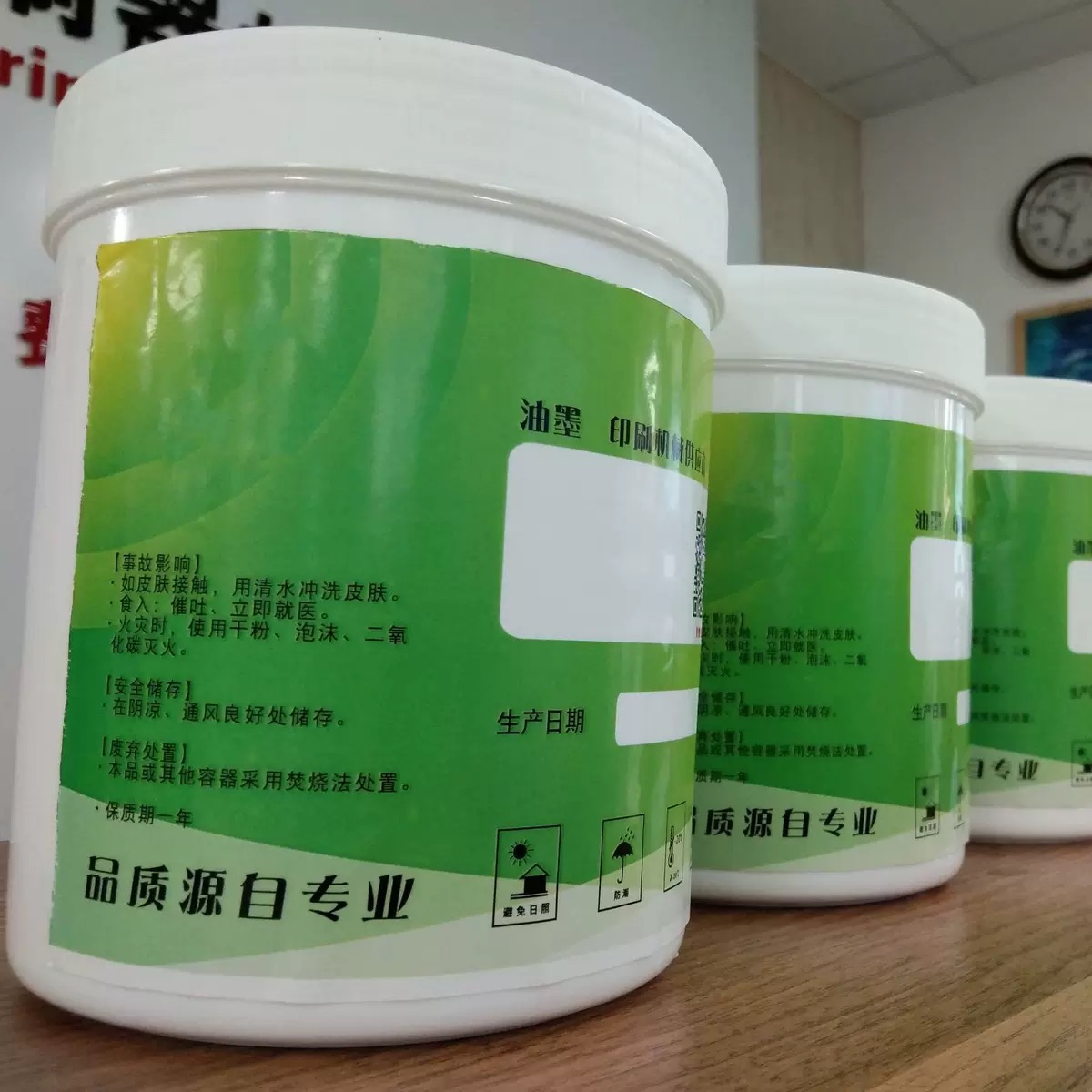
To mitigate this risk, the ink's internal composition must feature high chemical stability and 100% coloring power. Ultra-fine pigments at 8 μm fineness allow for a dense, thin, yet highly opaque layer that reduces structural stress during thermal cycling. This technique has been verified through strict CNAS testing reports (such as certifications AZT260323018C-B0 and AZT260323019C-B0 for black ink variations), confirming the high-temperature endurance of the formulated chemical compounds. Proper pre-treatment of the printing surface via flame or corona discharge further improves molecular adhesion, preventing delamination and subsequent cracking when exposed to continuous 300°C heat.
Data/Solution Comparison
The table below outlines the core specifications of SCL-00YM High-Temperature Baking Silicone Ink and how these parameters directly prevent cracking during extreme temperature operations.
| Ink Parameter | Specification Value | Mechanism for Preventing Thermal Cracking |
|---|---|---|
| Model / Type | SCL-00YM (Imported) | High-purity raw materials ensure consistent cross-linking and thermal stability. |
| Fineness | 8 μm | Finer particle size prevents stress concentration points within the dried film. |
| Viscosity | 100 S | Maintains optimal thickness control during screen and transfer printing. |
| Flowing Degree | ≥ 30 mm | Ensures self-leveling to eliminate thickness variances that lead to fracturing. |
| Coloring Power | 100% | Allows for ultra-thin printing layers while maintaining complete color opacity. |
| Applicable Objects | Silicone cables, medical tubes, buttons | Matched chemical properties ensure co-vulcanization with the substrate. |
Frequently Asked Questions (FAQ)
Q1: Why does silicone ink crack immediately after baking at high temperatures?
A1: This issue is usually caused by excessive ink thickness or an overly aggressive temperature ramp. When the outer layer of the ink cures too quickly, trapped solvents underneath expand and rupture the surface, creating visible cracks. Maintaining a thin print layer and ramping up the baking temperature gradually prevents this phenomenon.
Q2: Does the choice of printing method affect the thermal resistance of the cured ink?
A2: Both screen printing and transfer printing can achieve high thermal resistance, provided the wet ink film thickness is controlled. Screen printing typically yields a slightly thicker layer, requiring longer levelling and flash-off times before high-temperature baking to ensure uniform solvent evaporation.
Q3: How do safety certifications like CNAS guarantee ink performance at 300°C?
A3: CNAS-accredited testing reports verify that the chemical composition remains stable under heat stress, ensuring that the cured ink does not release hazardous volatile organic compounds (VOCs) or undergo thermal degradation, which directly correlates to cracking resistance.
Final Conclusion & Recommendations
Preventing high-temperature silicone ink from cracking at 300°C requires a combination of high-precision formulations and standardized curing protocols. Systematically controlling substrate preparation, ink viscosity, and heat exposure allows the printing layer to expand and contract in harmony with the silicone base. For commercial operations, sourcing certified materials and utilizing structured quality inspection during production stages will ensure consistent thermal performance. Standard global shipments of these technical inks are handled through reliable channels like FBA sea, air, or land freight, packed in reinforced wooden boxes to preserve chemical integrity during transit. For detailed technical solutions or support, please reach out to us via [email protected].
About Us
Dongguan Shichuangli Zhihui Technology Co., Ltd., established in 2008, operates a factory training base covering over 1,600 square meters in Huangjiang Town, Dongguan City. The company employs 150 staff, including a professional 20-person design team and a gold-medal sales team of over 30 people, specializing in screen printing, pad printing, hot stamping, and non-standard automated equipment. Having served more than 15,000 enterprises across 100 countries, Shichuangli integrates technical training with manufacturing, backed by multiple CNAS reports and utility model patents. 
Lastest
-
How are rising fuel costs impacting global LCL shipping trends?
2026-08-02 -
Is it possible to emboss our brand logo on vegetan leather?
2026-08-02 -
How does the supplier handle defective parts of a K-House?
2026-08-02 -
How do I choose the right laser light show wattage for a 5000-person outdoor venue?
2026-08-02 -
How do I verify the actual brightness of an RGB laser projector before buying bulk?
2026-08-02
SUBSCRIBE
INQUIRY