- Masonry Materials
- Curtain Walls & Accessories
- Earthwork Products
- Fireproofing Materials
- Heat Insulation Materials
- Plastic Building Materials
- Building Boards
- Soundproofing Materials
- Timber
- Waterproofing Materials
- Balustrades & Handrails
- Bathroom & Kitchen
- Flooring & Accessories
- Tiles & Accessories
- Door, Window & Accessories
- Fireplaces & Stoves
- Floor Heating Systems & Parts
- Stairs & Stair Parts
- Ceilings
- Elevators & Escalators
- Stone
- Countertops, Vanity Tops & Table Tops
- Mosaics
- Metal Building Materials
- Multifunctional Materials
- Ladders & Scaffoldings
- Mouldings
- Corner Guards
- Decorative Films
- Formwork
- Building & Industrial Glass
- Other Construction & Real Estate
- Wallpapers/Wall panels
- HVAC System & Parts
- Outdoor Facilities
- Prefabricated Buildings
- Festive & Party Supplies
- Bathroom Products
- Household Sundries
- Rain Gear
- Garden Supplies
- Household Cleaning Tools & Accessories
- Lighters & Smoking Accessories
- Home Storage & Organization
- Household Scales
- Smart Home Improvement
- Home Textiles
- Kitchenware
- Drinkware & Accessories
- Dinnerware, Coffee & Wine
- Home Decor
- Golf
- Fitness & Body Building
- Amusement Park Facilities
- Billiards, Board Game,Coin Operated Games
- Musical Instruments
- Outdoor Affordable Luxury Sports
- Camping & Hiking
- Fishing
- Sports Safety&Rehabilitation
- Ball Sports Equipments
- Water Sports
- Winter Sports
- Luxury Travel Equipments
- Sports Shoes, Bags & Accessories
- Cycling
- Other Sports & Entertainment Products
- Artificial Grass&Sports Flooring&Sports Court Equipment
- Scooters
- Food Ingredients
- Honey & Honey Products
- Snacks
- Nuts & Kernels
- Seafood
- Plant & Animal Oil
- Beverages
- Fruit & Vegetable Products
- Frog & Escargot
- Bean Products
- Egg Products
- Dairy Products
- Seasonings & Condiments
- Canned Food
- Instant Food
- Baked Goods
- Other Food & Beverage
- Meat & Poultry
- Confectionery
- Grain Products
- Feminie Care
- Hair Care & Styling
- Body Care
- Hands & Feet Care
- Hygiene Products
- Men's Grooming
- Laundry Cleaning Supplies
- Travel Size & Gift Sets
- Room Deodorizers
- Other Personal Care Products
- Pest Control Products
- Special Household Cleaning
- Floor Cleaning
- Kitchen & Bathroom Cleaning
- Oral Care
- Bath Supplies
- Yellow Pages
- Correction Supplies
- Office Binding Supplies
- Office Cutting Supplies
- Board Erasers
- Office Adhesives & Tapes
- Education Supplies
- Pencil Cases & Bags
- Notebooks & Writing Pads
- File Folder Accessories
- Calendars
- Writing Accessories
- Commercial Office Supplies
- Pencil Sharpeners
- Pens
- Letter Pad/Paper
- Paper Envelopes
- Desk Organizers
- Pencils
- Markers & Highlighters
- Filing Products
- Art Supplies
- Easels
- Badge Holder & Accessories
- Office Paper
- Printer Supplies
- Book Covers
- Other Office & School Supplies
- Stationery Set
- Boards
- Clipboards
- Stamps
- Drafting Supplies
- Stencils
- Electronic Dictionary
- Books
- Map
- Magazines
- Calculators
- Baby & Toddler Toys
- Educational Toys
- Classic Toys
- Dress Up & Pretend Play
- Toy Vehicle
- Stuffed Animals & Plush Toys
- Outdoor Toys & Structures
- Balloons & Accessories
- Baby Food
- Children's Clothing
- Baby Supplies & Products
- Maternity Clothes
- Kids Shoes
- Baby Care
- Novelty & Gag Toys
- Dolls & Accessories
- Puzzle & Games
- Blocks & Model Building Toys
- Toddler Clothing
- Baby Clothing
- Kids' Luggage & Bags
- Arts, Crafts & DIY Toys
- Action & Toy Figures
- Baby Appliances
- Hobbies & Models
- Remote Control Toys
- Promotional Toys
- Pregnancy & Maternity
- Hygiene Products
- Kid's Textile&Bedding
- Novelty & Special Use
- Toy Weapons
- Baby Gifts
- Baby Storage & Organization
- Auto Drive Systems
- ATV/UTV Parts & Accessories
- Marine Parts & Accessories
- Other Auto Parts
- Trailer Parts & Accessories
- Auto Transmission Systems
- Train Parts & Accessories
- Universal Parts
- Railway Parts & Accessories
- Auto Brake Systems
- Aviation Parts & Accessories
- Truck Parts & Accessories
- Auto Suspension Systems
- Auto Lighting Systems
- New Energy Vehicle Parts & Accessories
- Auto Steering Systems
- Wheels, Tires & Accessories
- Bus Parts & Accessories
- Auto Performance Parts
- Cooling System
- Go-Kart & Kart Racer Parts & Accessories
- Air Conditioning Systems
- Heavy Duty Vehicle Parts & Accessories
- Auto Electrical Systems
- Auto Body Systems
- Auto Engine Systems
- Container Parts & Accessories
- Motorcycle Parts & Accessories
- Refrigeration & Heat Exchange Equipment
- Machine Tool Equipment
- Food & Beverage Machinery
- Agricultural Machinery & Equipment
- Apparel & Textile Machinery
- Chemical Machinery
- Packaging Machines
- Paper Production Machinery
- Plastic & Rubber Processing Machinery
- Industrial Robots
- Electronic Products Machinery
- Metal & Metallurgy Machinery
- Woodworking Machinery
- Home Product Manufacturing Machinery
- Machinery Accessories
- Environmental Machinery
- Machinery Service
- Electrical Equipment Manufacturing Machinery
- Industrial Compressors & Parts
- Tobacco & Cigarette Machinery
- Production Line
- Used Industrial Machinery
- Electronics Production Machinery
- Other Machinery & Industrial Equipment
- Camera, Photo & Accessories
- Portable Audio, Video & Accessories
- Television, Home Audio, Video & Accessories
- Video Games & Accessories
- Mobile Phone & Accessories
- Electronic Publications
- Earphone & Headphone & Accessories
- Speakers & Accessories
- Smart Electronics
- TV Receivers & Accessories
- Mobile Phone & Computer Repair Parts
- Chargers, Batteries & Power Supplies
- Used Electronics
- VR, AR, MR Hardware & Software
- Projectors & Presentation Equipments
- Other Consumer Electronics
- Cables & Commonly Used Accessories
- Computer Hardware & Software
- Displays, Signage and Optoelectronics
- Discrete Semiconductors
- Wireless & IoT Module and Products
- Telecommunications
- Connectors, Terminals & Accessories
- Development Boards, Electronic Modules and Kits
- Circuit Protection
- Sensors
- Isolators
- Audio Components and Products
- Integrated Circuits
- Power Supplies
- Relays
- RF, Microwave and RFID
- Electronic Accessories & Supplies
- Passive Components
- PCB & PCBA
- Air Quality Appliances
- Home Appliance Parts
- Heating & Cooling Appliances
- Small Kitchen Appliances
- Laundry Appliances
- Water Heaters
- Water Treatment Appliances
- Refrigerators & Freezers
- Personal Care & Beauty Appliances
- Major Kitchen Appliances
- Cleaning Appliances
- Second-hand Appliances
- Smart Home Appliances
- Other Home Appliances
- Energy Chemicals
- Inorganic Chemicals
- Basic Organic Chemicals
- Agrochemicals
- Admixture & Additives
- Catalysts & Chemical Auxiliary Agents
- Pigments & Dyestuff
- Coating & Paint
- Daily Chemicals
- Polymer
- Organic Intermediate
- Adhesives & Sealants
- Chemical Waste
- Biological Chemical Products
- Surface Treatment Chemicals
- Painting & Coating
- Chemical Reagents
- Flavor & Fragrance
- Non-Explosive Demolition Agents
- Other Chemicals
- Custom Chemical Services

How do you handle complaints about rust spots on newly installed sinks?
- VIP-User
- 2026-07-20
- 1
Handling complaints about rust spots on newly installed sinks requires identifying the cause—typically surface iron contamination or chemical residue rather than actual metal degradation—and cleaning the surface with a non-abrasive stainless steel cleaner or mild acidic solution, followed by a thorough water rinse and complete drying to restore the protective chromium oxide layer.
Core Solutions & Key Takeaways
- Identify the root cause: Newly installed sinks rarely rust on their own; spots are usually "floating rust" caused by iron particles from construction tools, pipes, or harsh chemical cleaners.
- Apply non-abrasive treatments: Clean the surface with a soft cloth and specialized stainless steel cleaners, baking soda paste, or mild citric acid. avoid steel wool, wire brushes, or chlorine bleach.
- Ensure proper post-installation cleanup: Rinse the sink thoroughly after installation to clear any construction debris, plumbing flux, or chemical residues.
- Implement preventative maintenance: Keep the sink dry when not in use and avoid leaving wet sponges, cast iron cookware, or harsh chemicals in the basin.
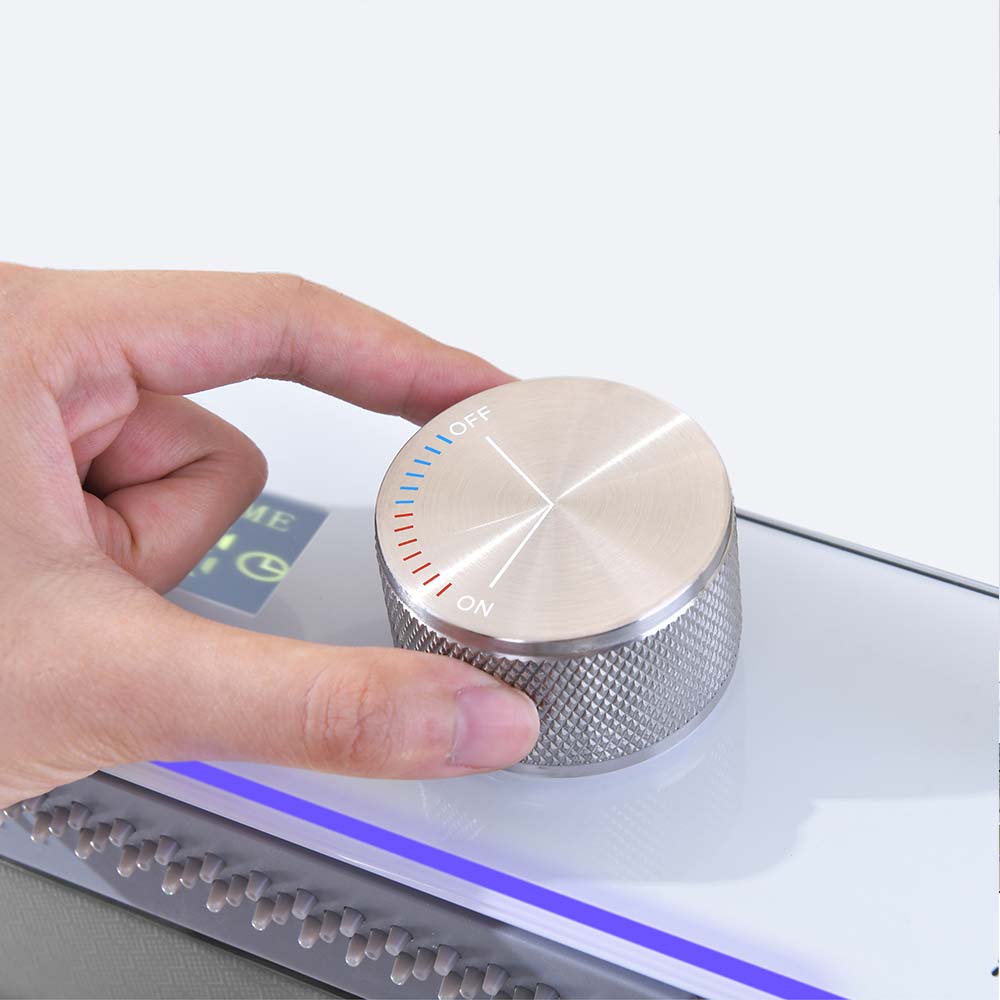
Detailed Architectural/Principle Analysis
Stainless steel sinks, such as those made from high-grade 304 Stainless Steel, rely on a passive chromium oxide layer to resist corrosion. During construction or renovation projects, this layer can be compromised. Airborne iron particles from tools, plumbing pipes, or nearby tile cutting settle on the wet sink surface. When these external iron particles oxidize, they create the appearance of rust spots, often referred to as "floating rust" or "environmental rust."
Chemical exposure is another major driver of post-installation spotting. Standard construction materials, such as tile grout acid, sealant removers, or heavy-duty cleaners containing hydrochloric acid or chlorine bleach, attack the passive film of the stainless steel. If these agents are not rinsed immediately, they cause localized pitting and discoloration. Restoring the surface requires removing the foreign iron deposits or chemical residues so the chromium can re-oxidize in the presence of oxygen, self-healing the protective layer.
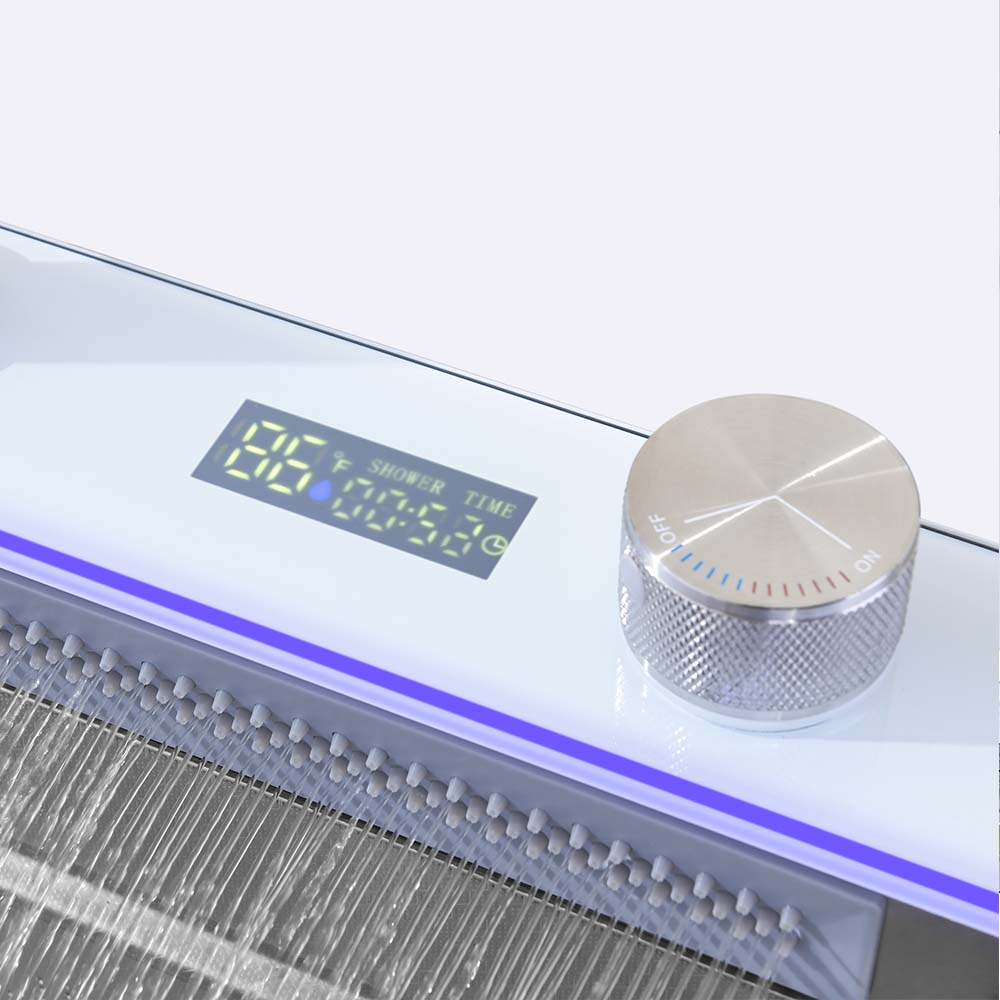
Professional contractors and builders frequently encounter this issue during handover phases in residential and commercial bathrooms or outdoor kitchens. By employing systematic cleaning protocols immediately after installation, builders protect their craftsmanship and eliminate groundless product quality disputes. Using certified materials, such as plumbing fittings verified under the cUPC Product Listing Certification (Certificate MC-13485) and components with NSF Listing of Safe Drinking Water Products (Certificate C0044104), ensures the structural integrity of the installation meets strict North American plumbing and safety standards.
Data/Solution Comparison
| Remedy / Method | Target Cause | Application Material | Effectiveness & Safety |
|---|---|---|---|
| Baking Soda Paste | Light surface contamination & organic residue | Baking soda mixed with water to form a thick paste | High safety; non-abrasive; ideal for daily maintenance. |
| Specialized Stainless Steel Cleaner | Stubborn floating rust & mineral deposits | Commercial liquid cleaner or polish (chlorine-free) | High effectiveness; restores the chromium oxide protective layer. |
| Mild Citric Acid / Vinegar | Chemical scaling & alkaline residues | Diluted white vinegar or lemon juice | Medium effectiveness; safe for nano-coated surfaces if rinsed immediately. |
| Steel Wool / Abrasive Pads | Not recommended | Metal wire sponges, harsh abrasive powders | Low safety; scratches the surface and introduces external iron, worsening rust. |
Frequently Asked Questions (FAQ)
Can chemical exposure during kitchen renovations cause a brand-new sink to rust?
Yes. Many construction chemicals, including tile cleaners, grout acids, and solvents, contain chlorides or strong acids. If these substances are splashed onto the sink and not rinsed thoroughly, they chemically strip the protective chromium oxide layer, leading to rapid surface rust and pitting.
How can builders prevent rust spots during the final stages of construction?
Sinks should be covered with protective films or liners during active construction. Once plumbing work is complete, the sink must be flushed with clean water, wiped down with a soft microfiber cloth, and kept completely dry until the property is handed over to the client.
Does a nano-coated surface help prevent these rust spot issues?
Yes. Sinks featuring advanced nano-coatings provide an extra hydrophobic barrier that resists oil stains, water spots, and chemical adhesion, making it much harder for floating iron particles to bind to the metal surface.
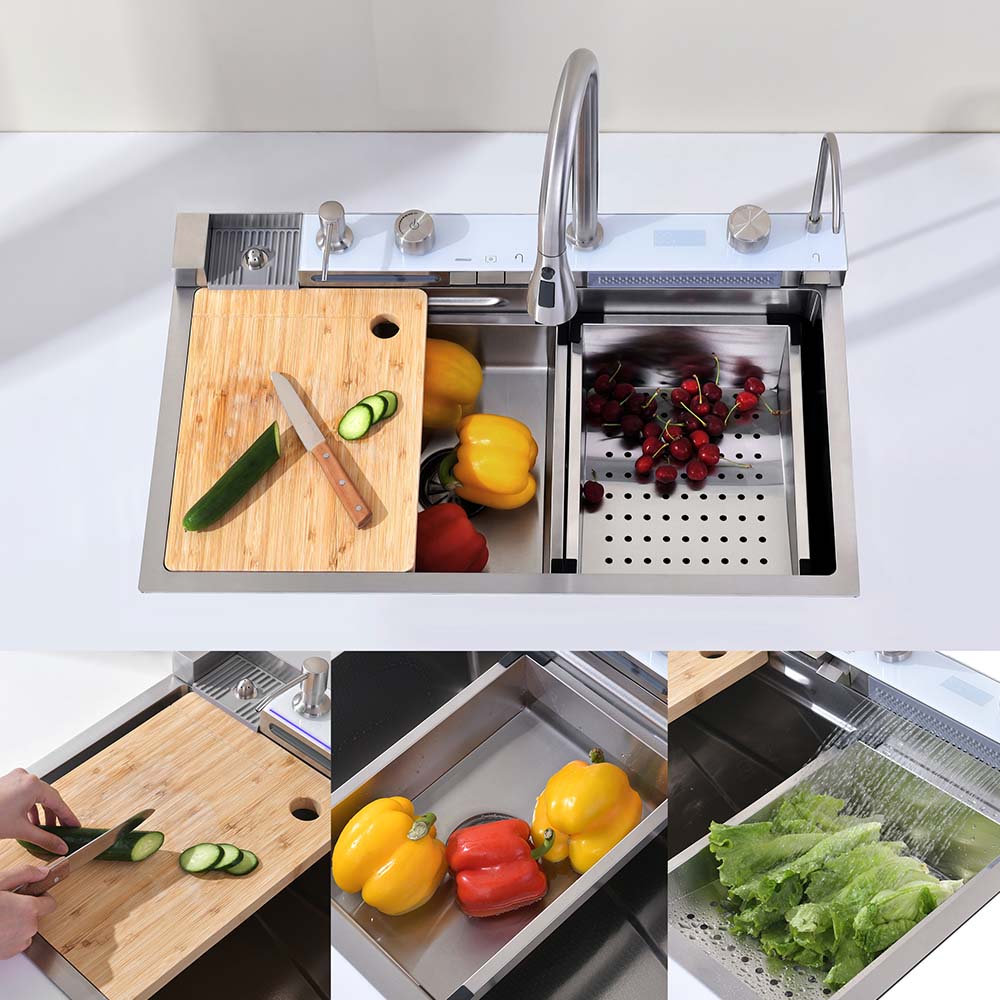
Final Conclusion & Recommendations
Addressing complaints about newly installed sink spots involves educating clients on the nature of floating rust and applying gentle, non-abrasive cleaning methods to restore the steel's passive layer. Selecting plumbing fixtures with recognized certifications like cUPC and NSF guarantees material compliance and long-term durability. For large-scale projects, sourcing directly from reliable manufacturing partners simplifies supply chain management and technical troubleshooting. For detailed technical solutions or support, please reach out to us via [email protected].
About Us
Modland Inc is a global bathroom vanity manufacturer and project solution provider, with over 20 years of experience serving builders, contractors, and developers. Established in 2016, the company manages an export-focused operation with a team of 30 professionals and a 6,000 square meter factory, specializing in US local stock supply and factory direct manufacturing. Modland Inc maintains dual production bases in the US and Malaysia alongside 10+ US warehouses, and has served clients across multiple industries including contractors, builders, and designers. 
Lastest
-
How are rising fuel costs impacting global LCL shipping trends?
2026-07-20 -
Is it possible to emboss our brand logo on vegetan leather?
2026-07-20 -
How does the supplier handle defective parts of a K-House?
2026-07-20 -
How do I choose the right laser light show wattage for a 5000-person outdoor venue?
2026-07-20 -
How do I verify the actual brightness of an RGB laser projector before buying bulk?
2026-07-20
SUBSCRIBE
INQUIRY