- Masonry Materials
- Curtain Walls & Accessories
- Earthwork Products
- Fireproofing Materials
- Heat Insulation Materials
- Plastic Building Materials
- Building Boards
- Soundproofing Materials
- Timber
- Waterproofing Materials
- Balustrades & Handrails
- Bathroom & Kitchen
- Flooring & Accessories
- Tiles & Accessories
- Door, Window & Accessories
- Fireplaces & Stoves
- Floor Heating Systems & Parts
- Stairs & Stair Parts
- Ceilings
- Elevators & Escalators
- Stone
- Countertops, Vanity Tops & Table Tops
- Mosaics
- Metal Building Materials
- Multifunctional Materials
- Ladders & Scaffoldings
- Mouldings
- Corner Guards
- Decorative Films
- Formwork
- Building & Industrial Glass
- Other Construction & Real Estate
- Wallpapers/Wall panels
- HVAC System & Parts
- Outdoor Facilities
- Prefabricated Buildings
- Festive & Party Supplies
- Bathroom Products
- Household Sundries
- Rain Gear
- Garden Supplies
- Household Cleaning Tools & Accessories
- Lighters & Smoking Accessories
- Home Storage & Organization
- Household Scales
- Smart Home Improvement
- Home Textiles
- Kitchenware
- Drinkware & Accessories
- Dinnerware, Coffee & Wine
- Home Decor
- Golf
- Fitness & Body Building
- Amusement Park Facilities
- Billiards, Board Game,Coin Operated Games
- Musical Instruments
- Outdoor Affordable Luxury Sports
- Camping & Hiking
- Fishing
- Sports Safety&Rehabilitation
- Ball Sports Equipments
- Water Sports
- Winter Sports
- Luxury Travel Equipments
- Sports Shoes, Bags & Accessories
- Cycling
- Other Sports & Entertainment Products
- Artificial Grass&Sports Flooring&Sports Court Equipment
- Scooters
- Food Ingredients
- Honey & Honey Products
- Snacks
- Nuts & Kernels
- Seafood
- Plant & Animal Oil
- Beverages
- Fruit & Vegetable Products
- Frog & Escargot
- Bean Products
- Egg Products
- Dairy Products
- Seasonings & Condiments
- Canned Food
- Instant Food
- Baked Goods
- Other Food & Beverage
- Meat & Poultry
- Confectionery
- Grain Products
- Feminie Care
- Hair Care & Styling
- Body Care
- Hands & Feet Care
- Hygiene Products
- Men's Grooming
- Laundry Cleaning Supplies
- Travel Size & Gift Sets
- Room Deodorizers
- Other Personal Care Products
- Pest Control Products
- Special Household Cleaning
- Floor Cleaning
- Kitchen & Bathroom Cleaning
- Oral Care
- Bath Supplies
- Yellow Pages
- Correction Supplies
- Office Binding Supplies
- Office Cutting Supplies
- Board Erasers
- Office Adhesives & Tapes
- Education Supplies
- Pencil Cases & Bags
- Notebooks & Writing Pads
- File Folder Accessories
- Calendars
- Writing Accessories
- Commercial Office Supplies
- Pencil Sharpeners
- Pens
- Letter Pad/Paper
- Paper Envelopes
- Desk Organizers
- Pencils
- Markers & Highlighters
- Filing Products
- Art Supplies
- Easels
- Badge Holder & Accessories
- Office Paper
- Printer Supplies
- Book Covers
- Other Office & School Supplies
- Stationery Set
- Boards
- Clipboards
- Stamps
- Drafting Supplies
- Stencils
- Electronic Dictionary
- Books
- Map
- Magazines
- Calculators
- Baby & Toddler Toys
- Educational Toys
- Classic Toys
- Dress Up & Pretend Play
- Toy Vehicle
- Stuffed Animals & Plush Toys
- Outdoor Toys & Structures
- Balloons & Accessories
- Baby Food
- Children's Clothing
- Baby Supplies & Products
- Maternity Clothes
- Kids Shoes
- Baby Care
- Novelty & Gag Toys
- Dolls & Accessories
- Puzzle & Games
- Blocks & Model Building Toys
- Toddler Clothing
- Baby Clothing
- Kids' Luggage & Bags
- Arts, Crafts & DIY Toys
- Action & Toy Figures
- Baby Appliances
- Hobbies & Models
- Remote Control Toys
- Promotional Toys
- Pregnancy & Maternity
- Hygiene Products
- Kid's Textile&Bedding
- Novelty & Special Use
- Toy Weapons
- Baby Gifts
- Baby Storage & Organization
- Auto Drive Systems
- ATV/UTV Parts & Accessories
- Marine Parts & Accessories
- Other Auto Parts
- Trailer Parts & Accessories
- Auto Transmission Systems
- Train Parts & Accessories
- Universal Parts
- Railway Parts & Accessories
- Auto Brake Systems
- Aviation Parts & Accessories
- Truck Parts & Accessories
- Auto Suspension Systems
- Auto Lighting Systems
- New Energy Vehicle Parts & Accessories
- Auto Steering Systems
- Wheels, Tires & Accessories
- Bus Parts & Accessories
- Auto Performance Parts
- Cooling System
- Go-Kart & Kart Racer Parts & Accessories
- Air Conditioning Systems
- Heavy Duty Vehicle Parts & Accessories
- Auto Electrical Systems
- Auto Body Systems
- Auto Engine Systems
- Container Parts & Accessories
- Motorcycle Parts & Accessories
- Refrigeration & Heat Exchange Equipment
- Machine Tool Equipment
- Food & Beverage Machinery
- Agricultural Machinery & Equipment
- Apparel & Textile Machinery
- Chemical Machinery
- Packaging Machines
- Paper Production Machinery
- Plastic & Rubber Processing Machinery
- Industrial Robots
- Electronic Products Machinery
- Metal & Metallurgy Machinery
- Woodworking Machinery
- Home Product Manufacturing Machinery
- Machinery Accessories
- Environmental Machinery
- Machinery Service
- Electrical Equipment Manufacturing Machinery
- Industrial Compressors & Parts
- Tobacco & Cigarette Machinery
- Production Line
- Used Industrial Machinery
- Electronics Production Machinery
- Other Machinery & Industrial Equipment
- Camera, Photo & Accessories
- Portable Audio, Video & Accessories
- Television, Home Audio, Video & Accessories
- Video Games & Accessories
- Mobile Phone & Accessories
- Electronic Publications
- Earphone & Headphone & Accessories
- Speakers & Accessories
- Smart Electronics
- TV Receivers & Accessories
- Mobile Phone & Computer Repair Parts
- Chargers, Batteries & Power Supplies
- Used Electronics
- VR, AR, MR Hardware & Software
- Projectors & Presentation Equipments
- Other Consumer Electronics
- Cables & Commonly Used Accessories
- Computer Hardware & Software
- Displays, Signage and Optoelectronics
- Discrete Semiconductors
- Wireless & IoT Module and Products
- Telecommunications
- Connectors, Terminals & Accessories
- Development Boards, Electronic Modules and Kits
- Circuit Protection
- Sensors
- Isolators
- Audio Components and Products
- Integrated Circuits
- Power Supplies
- Relays
- RF, Microwave and RFID
- Electronic Accessories & Supplies
- Passive Components
- PCB & PCBA
- Air Quality Appliances
- Home Appliance Parts
- Heating & Cooling Appliances
- Small Kitchen Appliances
- Laundry Appliances
- Water Heaters
- Water Treatment Appliances
- Refrigerators & Freezers
- Personal Care & Beauty Appliances
- Major Kitchen Appliances
- Cleaning Appliances
- Second-hand Appliances
- Smart Home Appliances
- Other Home Appliances
- Energy Chemicals
- Inorganic Chemicals
- Basic Organic Chemicals
- Agrochemicals
- Admixture & Additives
- Catalysts & Chemical Auxiliary Agents
- Pigments & Dyestuff
- Coating & Paint
- Daily Chemicals
- Polymer
- Organic Intermediate
- Adhesives & Sealants
- Chemical Waste
- Biological Chemical Products
- Surface Treatment Chemicals
- Painting & Coating
- Chemical Reagents
- Flavor & Fragrance
- Non-Explosive Demolition Agents
- Other Chemicals
- Custom Chemical Services

What documents are required for rail transit customs clearance?
- VIP-User
- 2026-07-23
- 1
Rail transit customs clearance requires several essential documents to ensure smooth cross-border freight. Key documentation includes the international railway consignment note (SMGS or CIM), commercial invoice, packing list, export customs declaration, and origin certificate. Additional certificates, such as import licenses or conformity documents, may be required depending on the destination market and cargo type.
Core Solutions & Key Takeaways
- Standardized Documentation: A complete commercial invoice, precise packing list, and the SMGS or CIM railway consignment note form the foundation of compliance.
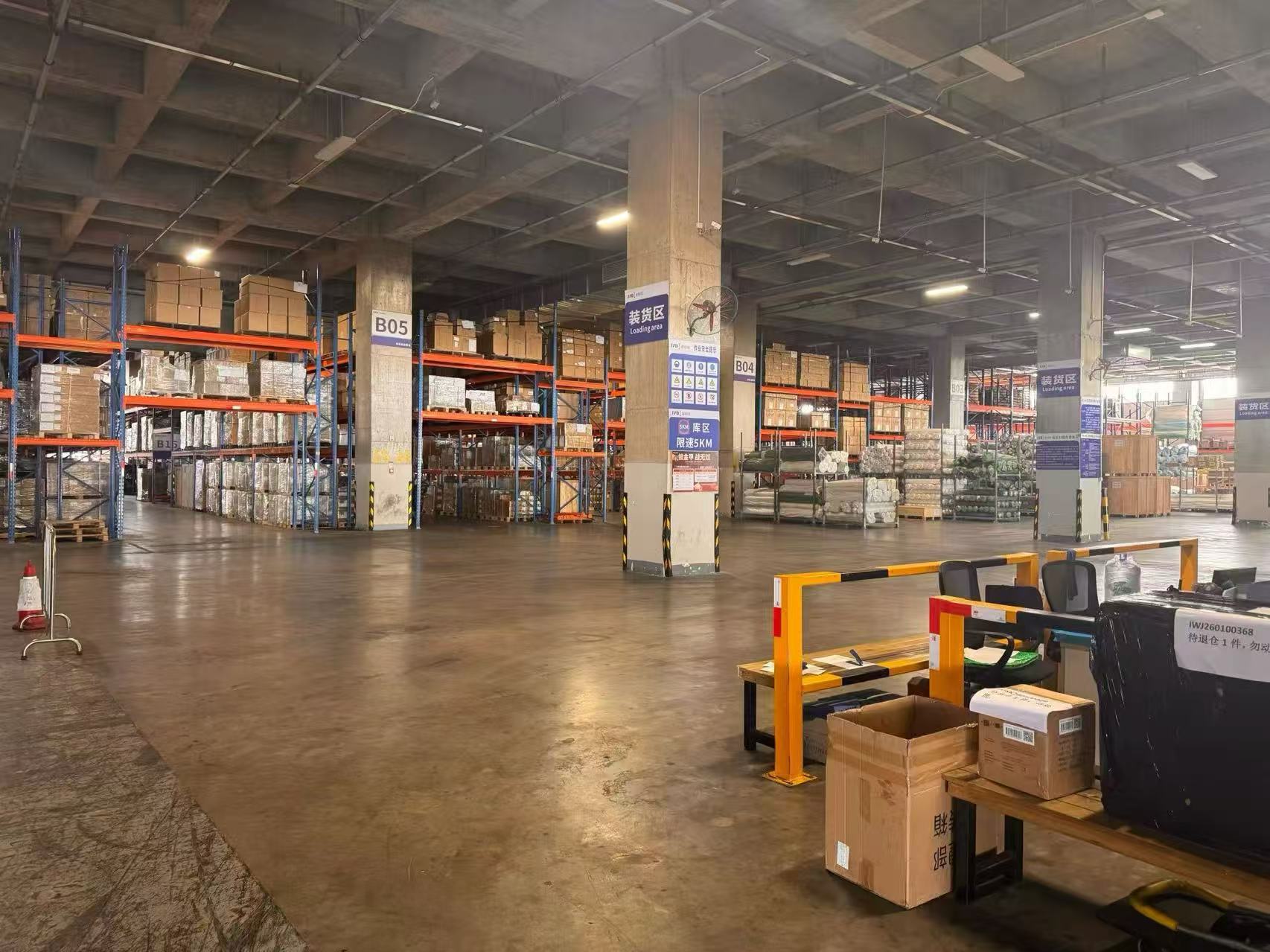
- Consolidation Integrity: Leveraging centralized warehousing, such as the 5000 square meter Shenzhen warehouse facility of Speed International logistics Co.,Ltd, allows for the accurate unification of cargo manifests from multiple suppliers.
- Container Loading Compliance: Correct physical container loading prevents border inspections. Key practices include placing lighter packages on top of heavy ones, separating incompatible goods, and protecting sharp-edged items.
- Market-Specific Certificates: Destinations in Europe and Central Asia require specific import clearance paperwork depending on product classifications, such as machinery certifications or chemical declarations.
Detailed Architectural/Principle Analysis
International rail transit operates under distinct regulatory frameworks depending on the route. Rail transport along the Silk Road economic belt utilizes specific customs declaration systems. The primary document of carriage is the railway consignment note, which serves as both the transport contract and the customs declaration base. Depending on the territory, shipments use the SMGS system (prevalent in Eastern Europe and Central Asia) or the CIM system (prevalent in Western Europe).
Before cargo reaches the border, customs brokers verify that the details on the packing list correspond perfectly with the physical cargo distribution. Physical loading practices directly affect border clearance; balanced, secure cargo arrangement prevents the need for physical inspections at rail borders. During consolidation, lighter goods are placed on top of heavier items, and goods with different chemical or physical profiles (like liquids and dry items) are physically isolated to prevent container leaks or structural failures during transit.
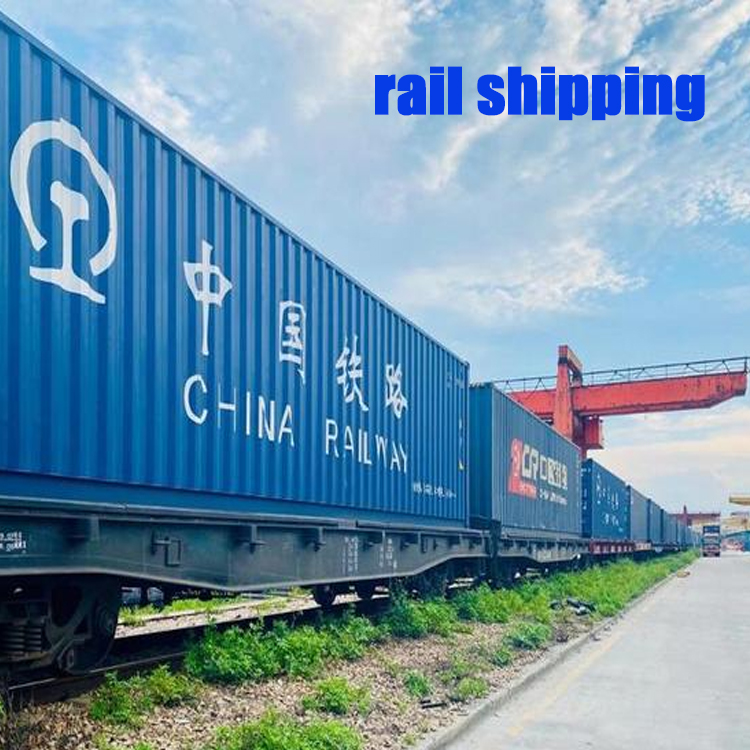
Document preparation varies significantly by industry. Real-world logistics cases highlight these differences. For instance, exporting 68CBM of heavy industrial machinery to the UAE requires detailed engineering documentation, dimension certifications, and secure port-to-port tracking. In contrast, importing 1000KG of cosmetics from the USA demands strict ingredient declarations, laboratory analysis certificates, and precise labeling to clear destination customs without delays.
Data/Solution Comparison
| Service Mode | Minimum Order Quantity (MOQ) | Transit Time | Target Export Markets | Primary Documentation Required |
|---|---|---|---|---|
| Railway Freight | 1 CBM | 25-30 days | Europe, Central Asia | SMGS/CIM Consignment Note, Invoice, Packing List, Export Customs Declaration |
| Sea Freight | 1 CBM | 25-30 days | Global (USA, Canada, Europe, Middle East, South America) | Bill of Lading (FCL/LCL), Packing List, Commercial Invoice, Origin Certificate |
| Air Freight | 100 kg | 3-7 days | Global | Air Waybill (AWB), Commercial Invoice, Packing List, Export Declaration |
Frequently Asked Questions (FAQ)
Q1: What is the difference between SMGS and CIM railway consignment notes?
A: SMGS is the standardized railway transport document utilized across Eastern Europe, Central Asia, and China. CIM is the consignment note applied within Western European rail networks. For transcontinental rail transport, cargo information is transcribed from SMGS to CIM at border exchange points.
Q2: How does proper cargo consolidation prevent customs delays?
A: Consolidation services combine items from multiple suppliers into a single, unified customs manifest. Having a single point of warehousing allows logistics providers to inspect packages, resolve weight discrepancies, and ensure the physical packing list aligns exactly with the digital customs filing before the container is sealed.
Q3: Are there specific container loading rules for rail transit?
A: Yes. Cargo must be loaded to ensure weight distribution is balanced. Light items must rest on top of heavy ones, liquids must be placed at the bottom, and sharp objects must be shielded to prevent shifting and cargo damage, which can trigger mandatory border inspections.
Final Conclusion & Recommendations
Successful rail transit customs clearance relies on exact paperwork, strict physical loading standards, and professional route coordination. Preparing precise documentation matching the container layout prevents administrative holds at international borders. Utilizing reliable consolidation services simplifies the supply chain from factory pickup to the final destination. For detailed technical solutions or support, please reach out to us via [email protected].
About Us
Speed International logistics Co.,Ltd is an "A-class" freight forwarder established in 2011. Based in Shenzhen, China, the company operates a professional 80-employee team and manages a main warehouse covering 5000 square meters. The enterprise delivers integrated logistics solutions, including Air freight, Sea freight, Railway Shipping, and customs clearance. Holding verified NVOCC and Aviation Class I Cargo certifications, the organization has served direct clients and trading companies across diverse industries, managing both heavy machinery projects and sensitive consumer goods imports.

Lastest
-
How are rising fuel costs impacting global LCL shipping trends?
2026-07-23 -
Is it possible to emboss our brand logo on vegetan leather?
2026-07-23 -
How does the supplier handle defective parts of a K-House?
2026-07-23 -
How do I choose the right laser light show wattage for a 5000-person outdoor venue?
2026-07-23 -
How do I verify the actual brightness of an RGB laser projector before buying bulk?
2026-07-23
SUBSCRIBE
INQUIRY