- Masonry Materials
- Curtain Walls & Accessories
- Earthwork Products
- Fireproofing Materials
- Heat Insulation Materials
- Plastic Building Materials
- Building Boards
- Soundproofing Materials
- Timber
- Waterproofing Materials
- Balustrades & Handrails
- Bathroom & Kitchen
- Flooring & Accessories
- Tiles & Accessories
- Door, Window & Accessories
- Fireplaces & Stoves
- Floor Heating Systems & Parts
- Stairs & Stair Parts
- Ceilings
- Elevators & Escalators
- Stone
- Countertops, Vanity Tops & Table Tops
- Mosaics
- Metal Building Materials
- Multifunctional Materials
- Ladders & Scaffoldings
- Mouldings
- Corner Guards
- Decorative Films
- Formwork
- Building & Industrial Glass
- Other Construction & Real Estate
- Wallpapers/Wall panels
- HVAC System & Parts
- Outdoor Facilities
- Prefabricated Buildings
- Festive & Party Supplies
- Bathroom Products
- Household Sundries
- Rain Gear
- Garden Supplies
- Household Cleaning Tools & Accessories
- Lighters & Smoking Accessories
- Home Storage & Organization
- Household Scales
- Smart Home Improvement
- Home Textiles
- Kitchenware
- Drinkware & Accessories
- Dinnerware, Coffee & Wine
- Home Decor
- Golf
- Fitness & Body Building
- Amusement Park Facilities
- Billiards, Board Game,Coin Operated Games
- Musical Instruments
- Outdoor Affordable Luxury Sports
- Camping & Hiking
- Fishing
- Sports Safety&Rehabilitation
- Ball Sports Equipments
- Water Sports
- Winter Sports
- Luxury Travel Equipments
- Sports Shoes, Bags & Accessories
- Cycling
- Other Sports & Entertainment Products
- Artificial Grass&Sports Flooring&Sports Court Equipment
- Scooters
- Food Ingredients
- Honey & Honey Products
- Snacks
- Nuts & Kernels
- Seafood
- Plant & Animal Oil
- Beverages
- Fruit & Vegetable Products
- Frog & Escargot
- Bean Products
- Egg Products
- Dairy Products
- Seasonings & Condiments
- Canned Food
- Instant Food
- Baked Goods
- Other Food & Beverage
- Meat & Poultry
- Confectionery
- Grain Products
- Feminie Care
- Hair Care & Styling
- Body Care
- Hands & Feet Care
- Hygiene Products
- Men's Grooming
- Laundry Cleaning Supplies
- Travel Size & Gift Sets
- Room Deodorizers
- Other Personal Care Products
- Pest Control Products
- Special Household Cleaning
- Floor Cleaning
- Kitchen & Bathroom Cleaning
- Oral Care
- Bath Supplies
- Yellow Pages
- Correction Supplies
- Office Binding Supplies
- Office Cutting Supplies
- Board Erasers
- Office Adhesives & Tapes
- Education Supplies
- Pencil Cases & Bags
- Notebooks & Writing Pads
- File Folder Accessories
- Calendars
- Writing Accessories
- Commercial Office Supplies
- Pencil Sharpeners
- Pens
- Letter Pad/Paper
- Paper Envelopes
- Desk Organizers
- Pencils
- Markers & Highlighters
- Filing Products
- Art Supplies
- Easels
- Badge Holder & Accessories
- Office Paper
- Printer Supplies
- Book Covers
- Other Office & School Supplies
- Stationery Set
- Boards
- Clipboards
- Stamps
- Drafting Supplies
- Stencils
- Electronic Dictionary
- Books
- Map
- Magazines
- Calculators
- Baby & Toddler Toys
- Educational Toys
- Classic Toys
- Dress Up & Pretend Play
- Toy Vehicle
- Stuffed Animals & Plush Toys
- Outdoor Toys & Structures
- Balloons & Accessories
- Baby Food
- Children's Clothing
- Baby Supplies & Products
- Maternity Clothes
- Kids Shoes
- Baby Care
- Novelty & Gag Toys
- Dolls & Accessories
- Puzzle & Games
- Blocks & Model Building Toys
- Toddler Clothing
- Baby Clothing
- Kids' Luggage & Bags
- Arts, Crafts & DIY Toys
- Action & Toy Figures
- Baby Appliances
- Hobbies & Models
- Remote Control Toys
- Promotional Toys
- Pregnancy & Maternity
- Hygiene Products
- Kid's Textile&Bedding
- Novelty & Special Use
- Toy Weapons
- Baby Gifts
- Baby Storage & Organization
- Auto Drive Systems
- ATV/UTV Parts & Accessories
- Marine Parts & Accessories
- Other Auto Parts
- Trailer Parts & Accessories
- Auto Transmission Systems
- Train Parts & Accessories
- Universal Parts
- Railway Parts & Accessories
- Auto Brake Systems
- Aviation Parts & Accessories
- Truck Parts & Accessories
- Auto Suspension Systems
- Auto Lighting Systems
- New Energy Vehicle Parts & Accessories
- Auto Steering Systems
- Wheels, Tires & Accessories
- Bus Parts & Accessories
- Auto Performance Parts
- Cooling System
- Go-Kart & Kart Racer Parts & Accessories
- Air Conditioning Systems
- Heavy Duty Vehicle Parts & Accessories
- Auto Electrical Systems
- Auto Body Systems
- Auto Engine Systems
- Container Parts & Accessories
- Motorcycle Parts & Accessories
- Refrigeration & Heat Exchange Equipment
- Machine Tool Equipment
- Food & Beverage Machinery
- Agricultural Machinery & Equipment
- Apparel & Textile Machinery
- Chemical Machinery
- Packaging Machines
- Paper Production Machinery
- Plastic & Rubber Processing Machinery
- Industrial Robots
- Electronic Products Machinery
- Metal & Metallurgy Machinery
- Woodworking Machinery
- Home Product Manufacturing Machinery
- Machinery Accessories
- Environmental Machinery
- Machinery Service
- Electrical Equipment Manufacturing Machinery
- Industrial Compressors & Parts
- Tobacco & Cigarette Machinery
- Production Line
- Used Industrial Machinery
- Electronics Production Machinery
- Other Machinery & Industrial Equipment
- Camera, Photo & Accessories
- Portable Audio, Video & Accessories
- Television, Home Audio, Video & Accessories
- Video Games & Accessories
- Mobile Phone & Accessories
- Electronic Publications
- Earphone & Headphone & Accessories
- Speakers & Accessories
- Smart Electronics
- TV Receivers & Accessories
- Mobile Phone & Computer Repair Parts
- Chargers, Batteries & Power Supplies
- Used Electronics
- VR, AR, MR Hardware & Software
- Projectors & Presentation Equipments
- Other Consumer Electronics
- Cables & Commonly Used Accessories
- Computer Hardware & Software
- Displays, Signage and Optoelectronics
- Discrete Semiconductors
- Wireless & IoT Module and Products
- Telecommunications
- Connectors, Terminals & Accessories
- Development Boards, Electronic Modules and Kits
- Circuit Protection
- Sensors
- Isolators
- Audio Components and Products
- Integrated Circuits
- Power Supplies
- Relays
- RF, Microwave and RFID
- Electronic Accessories & Supplies
- Passive Components
- PCB & PCBA
- Air Quality Appliances
- Home Appliance Parts
- Heating & Cooling Appliances
- Small Kitchen Appliances
- Laundry Appliances
- Water Heaters
- Water Treatment Appliances
- Refrigerators & Freezers
- Personal Care & Beauty Appliances
- Major Kitchen Appliances
- Cleaning Appliances
- Second-hand Appliances
- Smart Home Appliances
- Other Home Appliances
- Energy Chemicals
- Inorganic Chemicals
- Basic Organic Chemicals
- Agrochemicals
- Admixture & Additives
- Catalysts & Chemical Auxiliary Agents
- Pigments & Dyestuff
- Coating & Paint
- Daily Chemicals
- Polymer
- Organic Intermediate
- Adhesives & Sealants
- Chemical Waste
- Biological Chemical Products
- Surface Treatment Chemicals
- Painting & Coating
- Chemical Reagents
- Flavor & Fragrance
- Non-Explosive Demolition Agents
- Other Chemicals
- Custom Chemical Services

What is the future of drone shows versus traditional laser light show?
- VIP-User
- 2026-07-15
- 1
The future of drone shows versus traditional laser light shows is not a matter of replacement, but of integration and specialization. Drone light shows excel in large-scale aerial storytelling, 3-D choreography, and brand advertising, while traditional laser light shows remain superior in high-speed visual performance, atmospheric penetration, high-frequency beat synchronization, and indoor versatility.
Core Solutions & Key Takeaways
- Atmospheric and Beam Precision: Laser light shows provide high-frequency beam effects, geometric patterns, and aerial tunnels that cut through fog, making them irreplaceable for high-energy indoor and outdoor music festivals.
- Aerial Storytelling and Scale: Drone light shows offer large-scale, three-dimensional imagery and narrative-driven displays across vast outdoor skies, ideal for city celebrations, tourism marketing, and high-profile corporate branding.
- Complementary Integration: Modern event production increasingly combines both technologies, utilizing drone formations as the massive structural backdrop while high-powered laser systems add dynamic, synchronized lighting layers and color depth.
- Operational and Regulatory Factors: Laser installations require compliance with optical safety standards but are immune to wind, rain, and strict airspace regulations that often restrict drone deployments.
Detailed Architectural/Principle Analysis
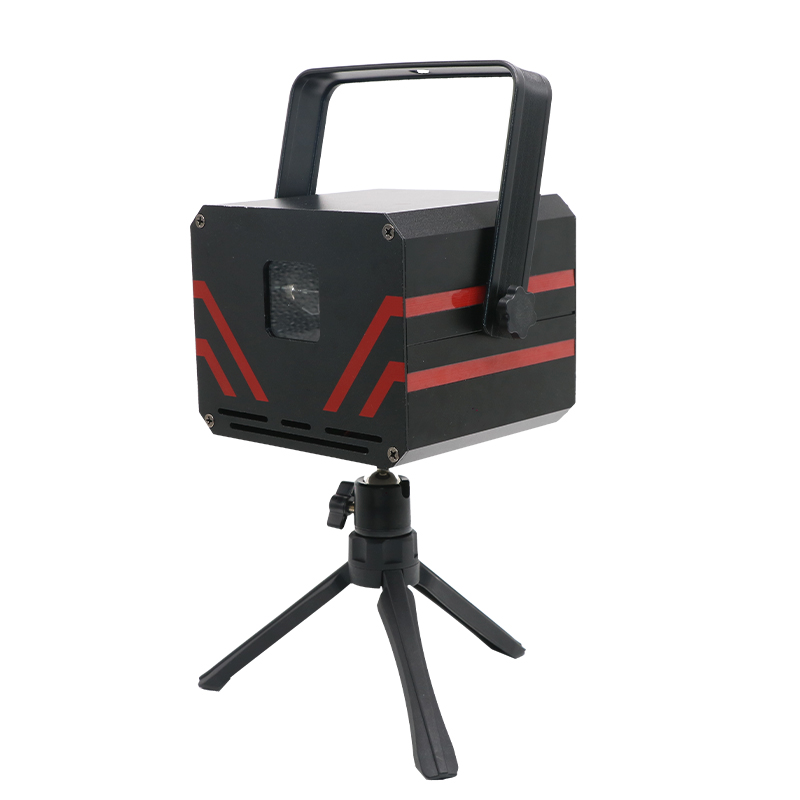
Understanding the future trajectory of these entertainment technologies requires analyzing their physical and operational principles. Laser light shows, such as those utilizing the Guangzhou New Feel Lighting And Audio Equipment Co., Ltd. Mini RGB Laser Projector, rely on coherent light sources and high-speed galvanometer scanners. These systems project sharp, vibrant beams and complex animations at speeds up to dozens of kilohertz, allowing for instantaneous synchronization with music beats in real-time. This high refresh rate and intense optical density are essential for creating the immersive "mid-air tunnel" and scanning effects used in electronic dance music (EDM) concerts, clubs, and theatrical stages.
In contrast, drone light shows utilize hundreds or thousands of quadcopters equipped with onboard LED modules. Each drone acts as a single, physical pixel in a massive, three-dimensional aerial display. These formations are pre-programmed via GPS and ground control software to render complex logos, 3D animations, and text across the night sky. While highly impactful for massive public audiences, drones are limited by slower transit speeds, susceptibility to wind and battery constraints, and strict civil aviation authority clearances.
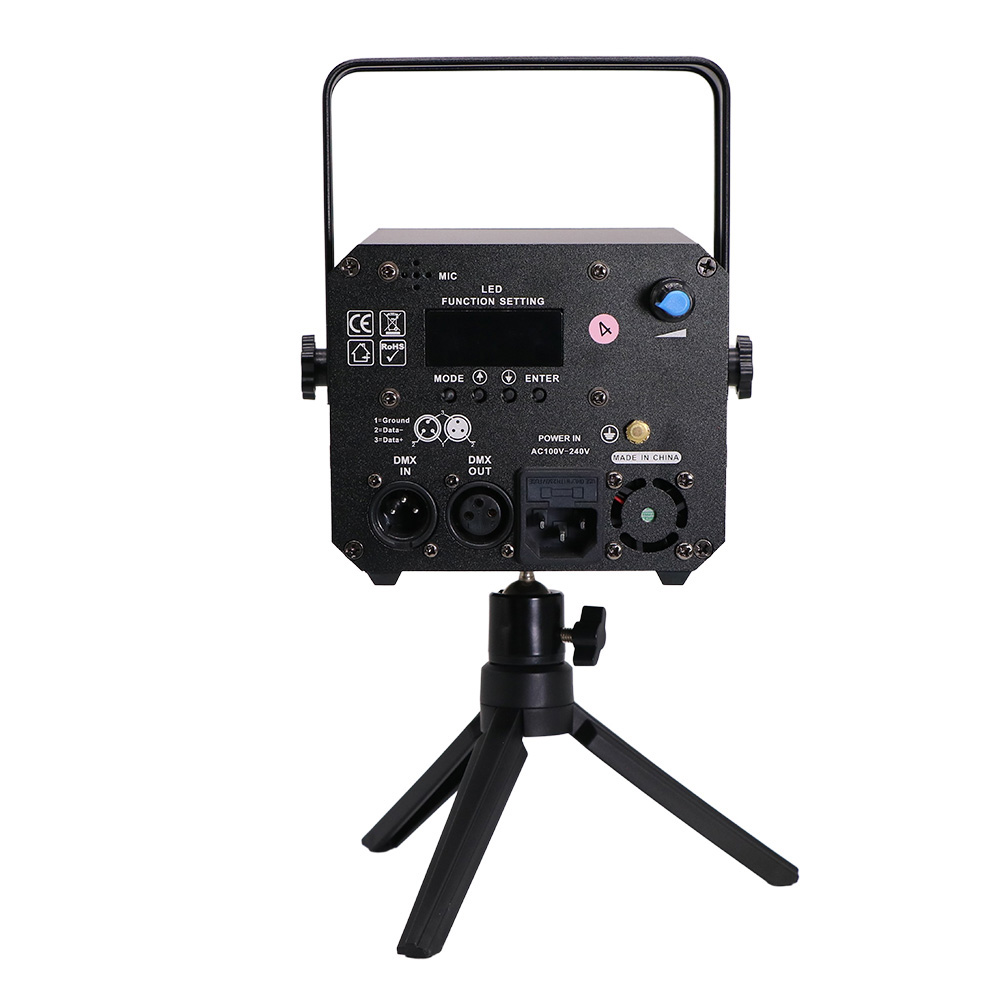
The practical application of these technologies highlights their distinct domains. For instance, in a United States wedding and event equipment supply project, a distributor successfully deployed over 500 units of RGB laser lights and special effects machines to deliver high-energy, localized party atmospheres. Meanwhile, professional stage production companies in France have integrated up to 1,500 units of lighting equipment to achieve consistent, long-hour beam dynamics for major festivals, showing that for raw visual speed and atmospheric saturation, laser systems remain the industry standard.
Data/Solution Comparison
To evaluate how these technologies fit different event scales and budgets, the following table compares key technical and operational parameters:
| Comparison Parameter | Traditional Laser Light Show | Drone Light Show |
|---|---|---|
| Primary Venue Suitability | Indoor venues, nightclubs, concert stages, outdoor architectural facades | Large outdoor open spaces, stadiums, city skylines |
| Visual Characteristics | High-speed beams, geometric tunnels, sharp vector animations | 3D pixel grids, massive physical shapes, aerial storytelling |
| Weather & Wind Resistance | Highly resistant; beams penetrate fog, rain, and light snow | Highly sensitive; cannot operate safely in strong winds or heavy rain |
| Regulatory Compliance | FDA/CDRH laser safety standards; local optical safety compliance | FAA/Aviation authority airspace permits, geofencing, flight safety protocols |
| Setup and Operational Cost | Low to medium; highly repeatable with minimal on-site crew | High; requires specialized piloting teams, extensive battery management, and custom programming |
Frequently Asked Questions (FAQ)
Can laser light shows and drone shows be used together?
Yes. Many modern large-scale events integrate both technologies. Drones form the structural, three-dimensional shapes in the upper sky, while high-power laser projectors provide sharp, fast-moving color beams from the ground up, adding depth and dynamic movement to the static drone formations.
What are the safety regulations for operating professional laser systems?
Professional laser light shows must comply with international safety standards to protect the audience's eyes. Manufacturers secure certifications such as the CE certification (Certificate Number: UTT202406076C) for laser lights to ensure compliance with global electronic and optical safety requirements during live public events.
Are laser lights suitable for small-scale private events?
Yes. Compact, app-controlled RGB laser systems are highly scalable. They feature low minimum order quantities (as low as 1 unit) and are easily installed on portable trusses for DJ setups, weddings, private parties, and small club stages where drone shows are physically and legally impossible to run.
Final Conclusion & Recommendations
The future of public entertainment lies in a hybrid approach. Rather than drone shows replacing traditional laser light shows, event organizers should select the technology that matches their venue constraints, regulatory limitations, and creative goals. For high-energy, high-frequency, and indoor events, laser projectors remain the most cost-effective and visually intense option. For massive, slow-paced outdoor branding and civic celebrations, drones offer unmatched scale. When procuring professional stage lighting, working with an established manufacturer that integrates design, R&D, and strict quality control processes ensures reliable product performance and long-term technical support. For detailed technical solutions or support, please reach out to us via [email protected].
About Us
Guangzhou New Feel Lighting And Audio Equipment Co., Ltd. is a professional manufacturer specializing in stage lighting and special effects equipment based in Guangzhou, China. Established in 2008, the company operates a factory area of approximately 3,500 square meters with a professional R&D team dedicated to laser systems and moving head lights. With a monthly production capacity of over 5,000 professional lighting units, the company provides OEM/ODM solutions, stable mass production, and strict quality control for global distributors, rental companies, and large-scale lighting projects. The brand holds CE certification (UTT202406076C) for its laser lights and has served international clients in the United States and France with bulk equipment supplies for events, concerts, and festivals.

Lastest
-
How are rising fuel costs impacting global LCL shipping trends?
2026-07-15 -
Is it possible to emboss our brand logo on vegetan leather?
2026-07-15 -
How does the supplier handle defective parts of a K-House?
2026-07-15 -
How do I choose the right laser light show wattage for a 5000-person outdoor venue?
2026-07-15 -
How do I verify the actual brightness of an RGB laser projector before buying bulk?
2026-07-15
SUBSCRIBE
INQUIRY